

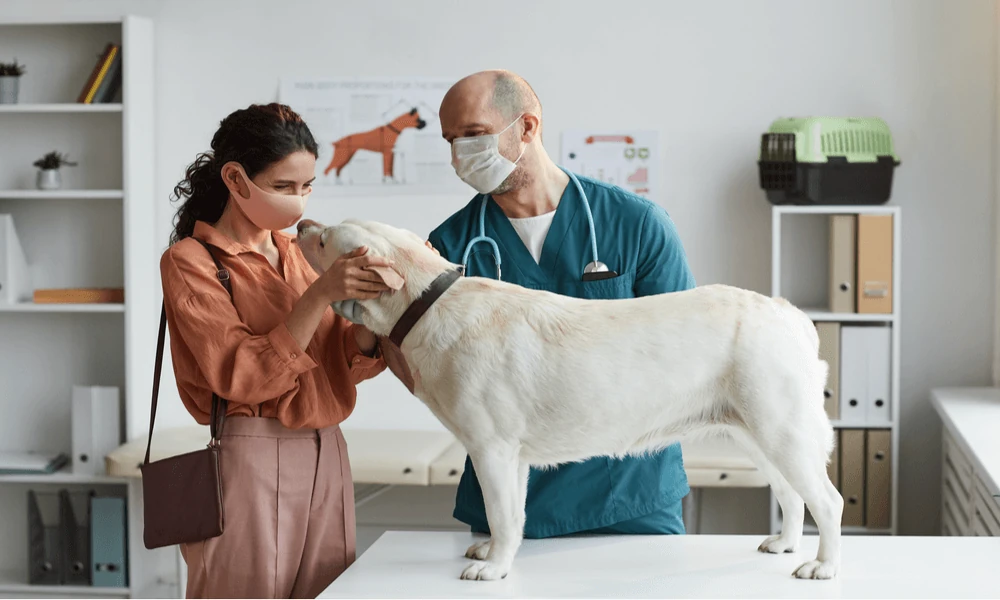
You might be looking at your pet and wondering when that “cute chubby phase” turned into something more serious. Maybe your dog pants after a short walk, or your cat struggles to jump onto the couch. Surprise veterinarian. You might feel guilty, a bit judged, and unsure what to change without making your pet miserable. That mix of worry and confusion is very common.
Here is the simple truth. Pet obesity is common, it is manageable, and you do not have to figure it out alone. A general veterinarian for pet weight management can help you understand what is going on, create a realistic plan, and adjust it as your pet’s body changes. In other words, you bring the love, your vet brings the science.
So where does that leave you today. Over the next few minutes, you will see how general veterinarians typically help in four key ways. They assess your pet’s current health, design a safe weight loss plan, support you with tools and check ins, and help you keep the weight off long term. Along the way, you will see that you are not a “bad pet parent.” You are just ready for better information and support.
Why pet obesity feels so complicated (and why you are not failing)
Most weight gain does not start with a big decision. It starts slowly. A few extra treats to celebrate. Bigger food portions because your pet “looks hungry.” Less exercise after an injury or a busy season at work. Months pass and suddenly your dog or cat looks heavier in photos, or your vet quietly mentions weight at the annual visit.
Emotionally, this can sting. You might feel defensive or embarrassed, especially if you have been told “just feed less” with no real guidance. You might even avoid vet visits because you do not want to have that conversation again. The problem is that extra weight is not just cosmetic. It can shorten your pet’s life and reduce the quality of the years they do have.
General veterinarians see this every day. They know that overweight pets are more likely to develop arthritis, diabetes, heart disease, breathing problems, and some types of cancer. The FDA and the American Animal Hospital Association highlight how structured nutritional assessments can help pets live healthier, thinner lives. That sounds technical, but it really means this. When your vet pays close attention to what and how your pet eats, your pet has a better chance at a longer, more comfortable life.
Because of this tension between guilt and concern, you might wonder if it is even worth starting. What if you “fail” again. This is where a general vet weight loss plan changes the picture. It shifts the focus from blame to partnership. You and your vet work together, with small changes and regular feedback, instead of you guessing at home and hoping for the best.
4 ways a general veterinarian helps manage pet obesity
So how does a general veterinarian actually help. Here are four core ways they support you and your pet.
1. Careful assessment of your pet’s weight and overall health
Your vet does not just look at the number on the scale. They look at body condition score, muscle mass, age, breed, and medical history. They may run blood work to check for thyroid disease, diabetes, or other conditions that can affect weight.
For example, a middle aged Labrador with arthritis needs a very different plan than a young indoor cat who simply eats too many calorie dense treats. Without this assessment, you might cut calories in a way that slows metabolism or worsens joint pain. With it, your vet can estimate a safe target weight and a realistic rate of weight loss.
2. Customized nutrition plan instead of guesswork
Most pet owners get stuck at “How much should I actually feed.” Bag labels and online charts are general guidelines, not tailored advice. General veterinarians can calculate your pet’s specific calorie needs, recommend an appropriate diet, and translate that into actual measuring cup amounts.
They may suggest a therapeutic weight loss food. These diets are designed to be filling while still reducing calories. Cornell and other veterinary institutions are actively creating resources to help vets fight the pet obesity trend, including a toolkit with obesity management tools. That kind of research and structure helps your vet choose foods with the right balance of protein, fiber, and nutrients so your pet loses fat, not muscle.
Instead of “feed a bit less,” you might leave with a clear plan. For example, “Feed ½ cup of this food twice daily, no free feeding, and replace half the treats with baby carrots or a specific low calorie snack.” That level of clarity lowers your stress and makes it easier to follow through.
3. Safe activity and lifestyle adjustments
Exercise helps, but for overweight or older pets, the wrong type can cause pain or injury. Your general veterinarian can suggest specific activities that match your pet’s age, joints, and current fitness.
For a dog, that might mean several short, gentle walks on soft ground instead of one long, intense outing. For a cat, it might be scheduled play sessions with wand toys or food puzzles rather than constant access to a full bowl. Your vet can also suggest small home changes. For example, using ramps or steps, raising food bowls, or using puzzle feeders to slow eating and add mental stimulation.
4. Ongoing monitoring and adjustments
Weight loss is not a straight line. There are plateaus, setbacks, and life changes. A general veterinarian monitors your pet’s progress, typically through regular weigh ins and body condition scoring. If weight loss stalls, they adjust calories, feeding schedule, or activity.
This ongoing relationship matters. You are not expected to get it perfect. You are expected to show up, share what is actually happening at home, and be open to small tweaks. Over time, that steady approach can make the difference between a frustrated attempt and a successful, sustainable change.
DIY weight loss vs working with a general veterinarian
You might be wondering if you can just “DIY” your pet’s weight loss with smaller portions and more walks. Sometimes that helps. Sometimes it backfires. Here is a simple comparison to help you think it through.
| Approach | What it looks like | Benefits | Risks or limits |
|---|---|---|---|
| DIY at home | You reduce food a bit, add a few walks or play sessions, and rely on the scale at home or yearly vet visits. | Free, flexible, can work for mild cases if you are very consistent. | Easy to underfeed or overfeed. Hard to know safe calorie targets. Underlying diseases can be missed. Progress is often slow or unclear. |
| Working with a general veterinarian | Your vet does a full exam, sets a target weight, chooses a specific diet, and schedules regular weigh ins and check ins. | Medically safe. Nutrition and exercise are tailored. Underlying problems are caught early. Better chance of long term success. | Requires appointments and some cost. You need to track food and follow the plan, which takes daily attention. |
Seeing the difference, many owners choose to combine both. They use the vet for structure and safety, then apply that guidance consistently at home.
Three steps you can take right now
You do not have to overhaul everything overnight. Start with a few focused actions.
1. Get an honest weight and body condition check
If it has been a while since your pet’s last visit, schedule one. Ask your vet for your pet’s body condition score and an ideal weight range. This one step turns vague worry into clear information. It also opens the door to a structured general veterinarian obesity management plan if needed.
2. Measure everything your pet eats for one week
Use a real measuring cup, not a scoop. Write down every meal, treat, and “just a bite” from the table. Bring that list to your vet or review it yourself. Often, simply seeing it in writing explains why the weight crept up. It is not about shame. It is about getting honest data so you can make better choices.
3. Choose one small, sustainable change
Maybe you cut out table scraps. Maybe you switch to lower calorie treats and reduce the number given each day. Maybe you add one extra 10 minute walk or play session. Pick something you can keep doing, even on busy or stressful days. Consistency matters more than perfection.
Moving forward with more confidence and less guilt
You care deeply about your pet. That is why this topic hurts a little. Extra weight is not a sign that you do not love your pet. It is a sign that modern life, busy schedules, and confusing food marketing have done what they do to many of us and to our animals as well.
With guidance from a general veterinarian, you can turn that concern into a clear plan. Your pet does not need a crash diet. They need steady, thoughtful care, and you are already providing that by asking questions and looking for better answers.
The next step is simple. Reach out to your regular vet, ask for a focused weight and nutrition visit, and bring your questions and your observations from home. One honest conversation can be the start of a longer, more comfortable life for the animal who depends on you.
