

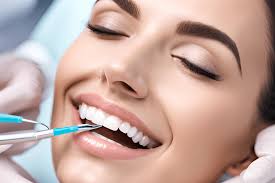
Your smile carries your story. It shows your health, your stress, and your daily habits. Yet many people see their teeth only as a cosmetic project. That split thinking causes confusion and regret. You deserve a plan that treats your mouth as part of your whole body. A plan that respects both comfort and appearance. A South San Jose dentist can help you set clear smile goals that match how you eat, sleep, and live. First, you name what you want. Next, you check what your gums, teeth, and jaw can support. Then you choose safe steps that protect you long term. This mix of wellness and beauty is not luxury. It is basic self care. It guards you from pain, high costs, and avoidable fear. It also lets you feel proud when you speak, laugh, and show your true self.
Why your smile is about more than looks
Your mouth connects to the rest of your body. Gum disease is linked to heart disease and diabetes. Mouth pain affects sleep and work. Tooth loss changes how you eat and speak. Beauty fixes that ignore health can hide deep harm.
Research from the Centers for Disease Control and Prevention shows that untreated tooth decay is common in both children and adults. That decay can cause infection, missed school or work, and long-term health damage. When you set smile goals, you protect your whole body, not only your photos.
Step 1: Name your true smile goals
Begin with clear words. Think about three simple questions.
- How do you want your smile to feel
- How do you want your smile to look
- How do you want your smile to work
You might want to chew without pain. You might want to close gaps. You might want fresher breath. You might want teeth that match your age and story, not a copy of a stranger on a screen.
Write your goals in plain language. For example
- I want to chew on both sides without pain
- I want front teeth that are even in length
- I want a color that looks clean yet natural
These clear goals help your dentist build a safe plan. They also help you avoid rushed choices that you regret later.
Step 2: Know your mouth’s limits and strengths
Next, you and your dentist review what your mouth can support. This is not about blame. It is about honest facts. A checkup might include
- Gum measurements to spot early disease
- X rays to see bone support and hidden decay
- Bite checks to see how your teeth meet
- Wear patterns that show grinding or clenching
The National Institute of Dental and Craniofacial Research explains that gum disease is a main cause of tooth loss in adults. If gums are weak, some cosmetic steps can fail fast. Crowns can loosen. Veneers can crack. Whitening can cause sharp pain in exposed roots.
When you know your starting point, you can match your goals to what your mouth can handle right now. Then you can build up health before you add more change.
Health first, beauty next
A strong smile plan follows a clear order. Health comes first. Beauty comes next. Comfort stays in view at every step. Think of it as three layers.
- Layer one. Stop active disease. Treat decay and gum infection. Calm mouth pain.
- Layer two. Restore function. Fix broken teeth. Replace missing teeth. Balance your bite.
- Layer three. Refine looks. Shape edges. Adjust color. Smooth chips.
This order protects you from repeat work. A white smile on sick gums does not last. A straight smile with untreated grinding can shift again. When you protect health first, later cosmetic work has a stronger base.
Comparing common smile paths
Different goals lead to different choices. Each choice has tradeoffs in health, cost, and time. Use this table as a guide when you talk with your dentist.
|
Primary goal |
Common first step |
Health focus |
Typical time frame |
|---|---|---|---|
|
Whiter teeth |
Cleaning and stain removal |
Check for decay and gum disease before whitening |
1 to 3 visits |
|
Straighter smile |
Orthodontic consult |
Review bone support and root health |
Months to a few years |
|
Fix chips or cracks |
Exam and X rays |
Rule out fractures and infection |
Often 1 to 2 visits |
|
Replace missing teeth |
Options review for implants, bridges, or dentures |
Protect jawbone, chewing, and speech |
Several months for full healing |
|
Ease jaw tension |
Bite and joint exam |
Protect teeth from grinding and clenching |
Ongoing with night guard or therapy |
Building daily habits that protect your goals
No treatment can stand up to neglect. Your daily habits either guard your smile or slowly wear it down. Focus on three core habits.
- Brush twice a day with fluoride toothpaste
- Clean between teeth once a day
- See your dentist for routine checks and cleanings
Then add simple choices that support your goals.
- Drink water instead of sweet drinks
- Limit tobacco and vaping
- Use a mouthguard if you grind or play contact sports
These steps protect any investment you make in cosmetic care. They also lower your risk of sudden emergencies and large bills.
Talking with your dentist about fears and costs
Fear and money worries stop many people from asking for the smile they want. Silence makes those worries grow. You have the right to clear answers. During your visit, speak up about three things.
- Pain. Say what scares you. Ask how they will keep you comfortable.
- Cost. Ask for written plans and options. Ask what can wait and what cannot.
- Time. Ask how many visits you need and how long each will last.
A good dentist listens and explains each option in plain language. You then choose steps that match your budget and your timeline. You move at a pace that you can keep.
Setting your next small step
You do not need a perfect smile. You need a healthy, honest one that fits your life. Start with one small step.
- Schedule a checkup if it has been more than one year
- Write down three clear goals for your smile
- Bring your questions about comfort, cost, and time
When you blend wellness with beauty, you gain more than straight or white teeth. You gain ease when you eat. You gain clear speech. You gain calm when you see your reflection. You deserve that steady confidence every day.
