

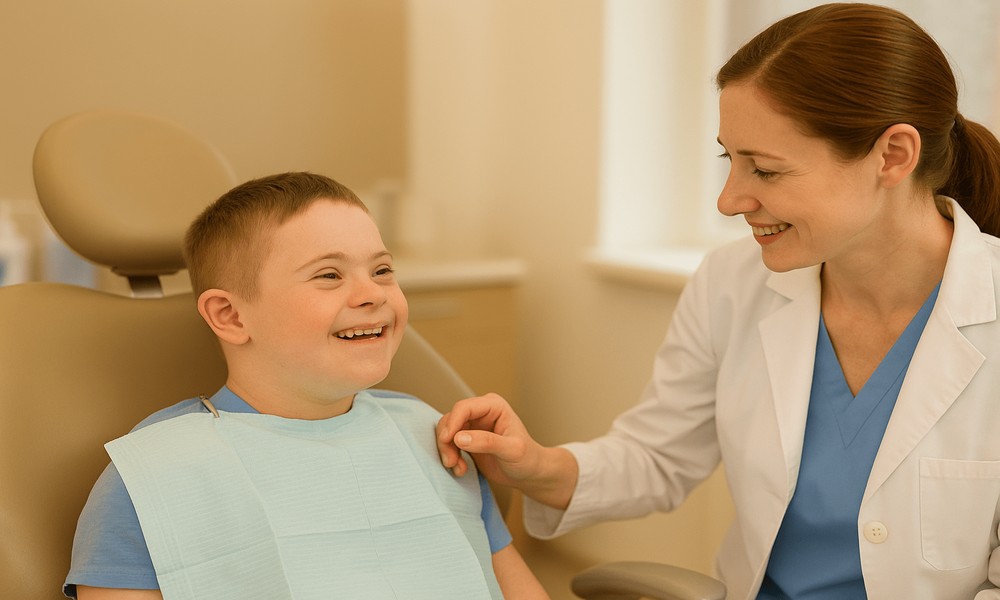
Caring for a child with special needs can feel heavy. Dental visits often add more strain. You may worry about pain, fear, and judgment from others. Preventive dentistry removes some of that weight. It focuses on simple steps that protect your child’s mouth before problems start. Regular cleanings, fluoride, and sealants lower the risk of cavities and infections. Careful planning and gentle routines also reduce emergency visits. This support gives your child more comfort, better sleep, and safer eating. It also gives you fewer late night worries. You do not have to manage this alone. Pediatric dentists and a periodontist in Thousand Oaks can create a steady plan for your child. Together, you can build daily habits at home. You can also plan office visits that respect your child’s needs, limits, and fears. Steady preventive care protects your child’s health, confidence, and dignity.
Why Children With Special Needs Face Higher Oral Health Risks
Children with physical, developmental, or sensory challenges often face extra hurdles with mouth care. You may see some of these in your home.
- Strong gag reflex or trouble swallowing
- Sensory overload from bright lights or loud sounds
- Limited hand control that makes brushing hard
- Long term medicines that dry the mouth or contain sugar
- Special diets with soft or frequent snacks
These hurdles raise the risk of tooth decay, gum infection, and dental pain. They also affect speech, chewing, and sleep. Preventive dentistry targets these risks early. It reduces suffering before it starts.
Core Parts Of Preventive Dentistry For Special Needs
Preventive care focuses on three simple goals. Keep teeth clean. Protect weak spots. Act early when problems appear.
- Regular exams and cleanings. A steady schedule lets the dentist spot changes before they turn into pain.
- Fluoride treatments. Fluoride strengthens tooth enamel and lowers cavity risk. The Centers for Disease Control and Prevention explains how fluoride protects teeth.
- Dental sealants. Thin coatings on the chewing surfaces of back teeth block food and germs.
- Gum care. Gentle cleaning along the gumline prevents bleeding and infection.
- Habit guidance. Your team helps you set brushing, flossing, and diet routines that fit your child.
Each part can be adjusted to match your child’s abilities and triggers. The goal is steady progress, not perfection.
How Preventive Care Supports Comfort And Daily Life
Good oral health does more than protect teeth. It supports your child’s daily life in three main ways.
- Less pain. Fewer cavities and infections mean fewer sudden cries, night waking, and behavior changes from hidden pain.
- Better eating. Strong teeth and calmer gums help your child chew a wider range of foods.
- Clearer speech and confidence. A healthy mouth supports speech therapy and social interactions.
The American Academy of Pediatric Dentistry notes that early preventive visits reduce the need for complex treatment later. You can read more guidance.
Adapting The Dental Visit For Your Child
A strong preventive plan respects your child’s limits. It also uses simple supports to lower fear.
- Preparation. You can ask for a pre-visit tour, photos of the office, or a social story.
- Timing. You can book visits at the calmest time of day for your child.
- Environment. You can request dimmer lights, quiet rooms, or weighted blankets when allowed.
- Communication. You and the dentist can agree on clear signals to pause or stop.
- Support tools. Mouth props, visual timers, and simple language can help your child feel safer.
You should share your child’s triggers, medical history, and calming routines before the visit. This helps the team adjust each step.
Home Care Strategies That Work
Daily habits at home carry most of the load. You can build a simple routine that your child can learn and repeat.
- Brush twice each day with fluoride toothpaste. Use a small smear for younger children.
- Use a toothbrush with a larger handle or an electric brush if the grip is hard.
- Practice “tell, show, do”. You explain, then show yourself, then help your child.
- Break brushing into short steps with praise after each step.
- Limit constant snacking and sugary drinks. Offer water between meals.
Your dentist or periodontist can show you positions that keep your child’s head stable. For example, brushing while your child lies on a couch with their head in your lap.
Comparing Preventive Care and Emergency Focused Care
|
Type of care |
What it looks like |
Effect on your child |
Effect on your family |
|---|---|---|---|
|
Preventive focused |
Regular checkups, cleanings, fluoride, and sealants |
Fewer painful episodes. Calmer visits. More trust |
Lower stress. Fewer missed work days. More control |
|
Emergency focused |
Visits only when there is pain or swelling |
More fear. Longer treatments. Possible sedation |
Unplanned costs. Night trips to urgent care. Exhaustion |
This comparison shows why early prevention matters. It protects not only your health but also your energy and time.
Working With A Pediatric Dentist And Periodontist
Some children with special needs also have gum problems, mouth breathing, or bone changes. In those cases, a pediatric dentist and a periodontist may share care.
- The pediatric dentist tracks growth, tooth eruption, and daily habits.
- The periodontist checks the gums and bone that hold the teeth.
- Both work with your child’s doctor and therapists when needed.
You can ask how often your child should see each specialist. You can also ask which treatments can be combined in one visit to reduce stress.
Taking The Next Step
You carry a heavy load every day. You do not need to carry dental worries alone. Preventive dentistry offers a clear path. Start with a simple goal. Schedule a checkup. Ask for a visit plan that fits your child. Build one new home habit at a time.
Every small step protects your child’s comfort, sleep, and confidence. Steady prevention respects your child’s needs and protects your family’s strength.
