

Strong oral habits do not happen by accident. They grow from small choices you repeat every day. General dentistry gives you structure, feedback, and support so those choices become routine. Regular checkups, cleanings, and simple treatments protect your teeth right now. They also train you to notice early warning signs before pain or infection start. A trusted Pacific Grove dentist can guide you through each stage of care. You learn how to brush with purpose, how to floss without rushing, and how food and drinks affect your mouth. Over time, these lessons sink in. Then your daily care feels natural instead of forced. This steady approach also lowers your stress. You stop waiting for the next emergency visit. Instead, you gain control of your health and your budget. General dentistry does more than fix problems. It quietly shapes habits that keep your smile strong year after year.
Why regular checkups change daily habits
Routine visits create a clear rhythm for your care. You know you will sit in the chair every six months. That knowledge alone pushes you to brush and floss with more care. You want your gums to feel calm during the exam. You want fewer sharp tools in your mouth.
During each visit, the team shows you where plaque hides. They point out spots you miss. They may show you a mirror or pictures of your teeth. That honest view can feel sharp, but it also wakes you up. You see the link between your daily habits and what happens in the chair.
General dentistry also tracks your progress. When your dentist says your gums bleed less than last year, that simple fact gives you proof that your new habits work. That proof keeps you going when you feel tired or rushed.
How cleanings reset your mouth
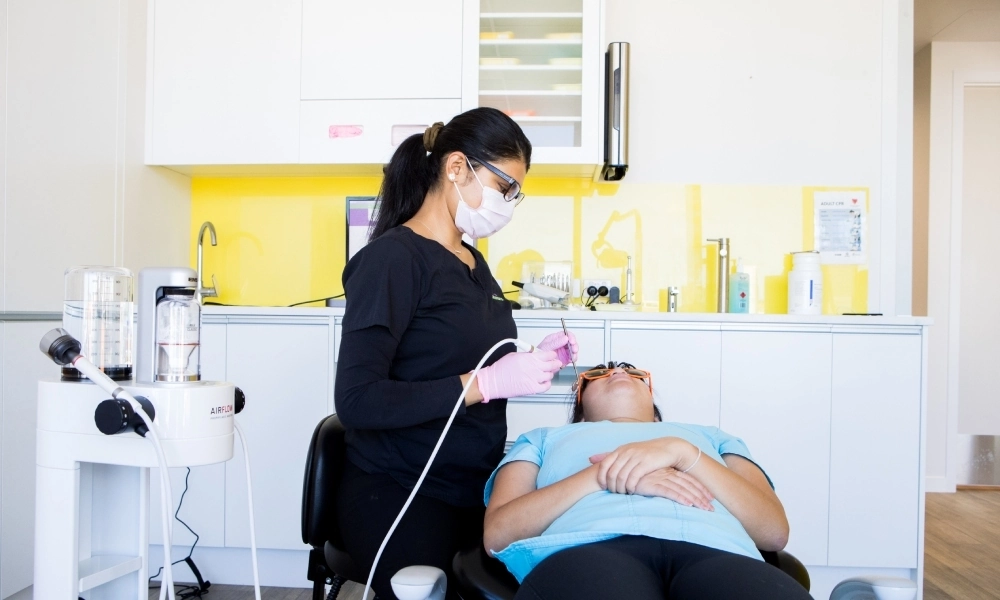
Professional cleanings remove plaque and tartar that your brush and floss cannot reach. This reset gives you a fresh start. It is easier to keep a clean mouth clean than to fix damage after months of buildup.
Right after a cleaning, your teeth feel smooth. Food slides off the surface. That feeling can be a strong reminder. You want to keep that clean surface as long as you can. So you brush at night even when you feel worn out. You skip the extra sugary drink.
The dental hygienist also shares simple tips during cleanings. These talks often cover three key habits.
- How to angle your brush
- How to slide floss along the side of each tooth
- How often to replace your toothbrush
Each visit builds on the last. Over time, those short talks shape how you care for your mouth without needing to think about it.
Education that sticks for every age
General dentistry guides children, adults, and older adults in different ways. The goal stays the same. You learn simple steps that fit your stage of life.
Focus of general dentistry habits by life stage
|
Life stage |
Main habit focus |
Typical visit message |
|---|---|---|
|
Children |
Brushing with help, limiting sugary snacks, comfort with visits |
“Let us count and clean your teeth. Try to brush two times a day.” |
|
Teens |
Flossing, sports mouthguards, choices about drinks and tobacco |
“Soda and vaping hurt your teeth and gums. Your choices now leave marks.” |
|
Adults |
Preventing gum disease, managing stress, planning care costs |
“Small daily steps cut your risk of pain, time off work, and large bills.” |
|
Older adults |
Caring for restorations, dry mouth, denture care if needed |
“Rinse often, stay hydrated, and clean around crowns and dentures each day.” |
Each stage brings new risks. General dentistry adjusts the message so it feels real for you. That tailored guidance helps the advice sink in and stay with you.
Prevention instead of crisis care
When you only see a dentist during emergencies, you link oral care with fear and cost. That pattern can trap you. You ignore small problems until they swell. Then treatment feels harsh.
Regular general visits break that cycle. You catch problems while they are still small. A tiny cavity, a small crack, or early gum swelling can often be treated with less pain and lower cost.
The Centers for Disease Control and Prevention reports that tooth decay and gum disease are common and often preventable. Simple care such as brushing with fluoride toothpaste, flossing, and regular cleanings cuts the chance of decay and tooth loss. That is not a theory. It is clear data from large groups of people.
When you see that prevention works, your mindset shifts. You do not brush only to avoid shame in the chair. You brush to avoid deep drilling, infections, and lost teeth. That reason carries more weight and shapes stronger habits.
Food, drink, and everyday choices
General dentistry also looks at what you eat and drink. Many people think only candy harms teeth. In truth, frequent sipping of sweet drinks, sports drinks, or even juice can keep sugar on your teeth all day.
During a visit, your dentist or hygienist may ask about your daily routine. Then they may suggest three simple changes.
- Drink water between meals
- Limit sweet snacks to one short time instead of all day grazing
- Chew sugar free gum with xylitol after meals if you can
The National Institute of Dental and Craniofacial Research shares that bacteria in plaque use sugar to produce acid that weakens tooth enamel. Over time, that leads to cavities. This simple fact turns every sip into a choice. That awareness is powerful. It helps you pause before opening another sugary drink.
Building a long term partnership
Stronger oral habits grow best when you feel safe and heard. A steady relationship with a general dentist gives you that space. You can ask questions without shame. You can admit when you fall out of routine.
Over time, your dentist learns your health history, your stress triggers, and your budget. That knowledge shapes care plans that you can follow. When the plan feels realistic, you are more likely to keep it.
Think of general dentistry as a long walk, not a race. Each visit adds three things.
- Clear feedback on what is working
- Early warning about silent problems
- Simple steps to practice before the next visit
Those pieces repeat year after year. They turn short tips into firm habits. They also protect your teeth, gums, and confidence for a long time.

Jack Sylvester is a freelance writer, He is extremely fond of anything that is related to ghostwriting, copywriting, and blogging services. He works closely with B2B businesses providing digital marketing content that gains social media attention. His aim to reach his goals one step at a time and He believes in doing everything with a smile.
