

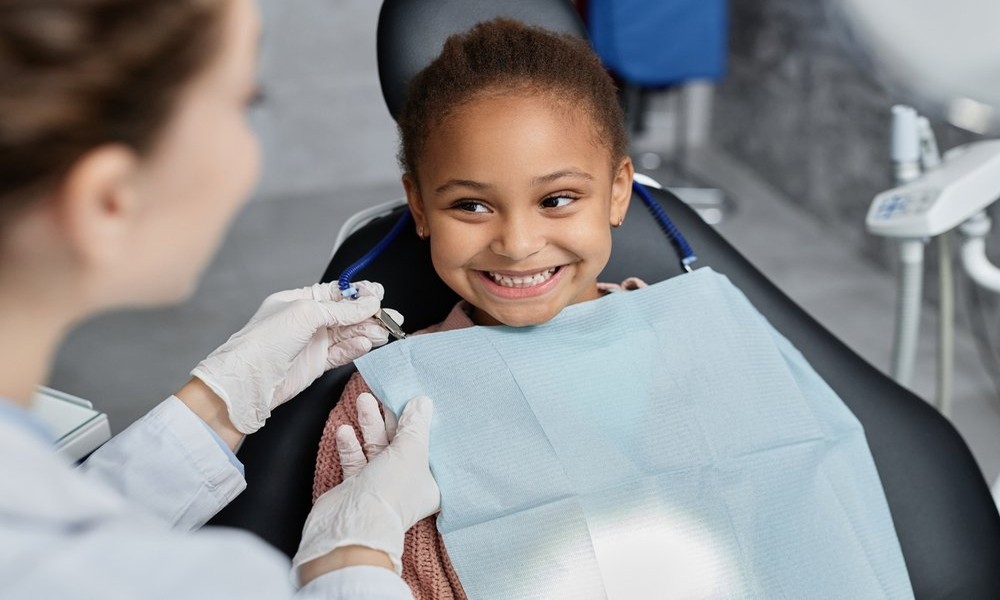
Your mouth often gives the first warning that something is wrong in your body. Regular checkups catch those early signs before they turn into pain, infection, or expensive treatment. When you schedule preventive visits on time, you protect more than your teeth. You protect your ability to eat, speak, and smile without fear. You also lower the risk of sudden dental emergencies that can disrupt work, school, and sleep. A trusted dentist in South Tulsa, OK can track small changes in your gums, teeth, and jaw. Then you can fix problems while they are still small. Preventive visits also give you clear guidance that fits your daily life. You understand what to do at home and what to watch for. This blog explains four strong benefits of staying on schedule, so you can make steady choices that protect your health and your wallet.
1. You Catch Problems Early Before They Spread
Tooth decay and gum disease start small. You often do not feel them at first. By the time you feel pain, the damage has already grown.
During a preventive visit, your dentist and hygienist:
- Check for soft spots in teeth
- Measure gum pockets
- Look for early cracks or worn spots
They may also use X-rays to see decay between teeth or below old fillings. The Centers for Disease Control and Prevention reports that tooth decay is one of the most common chronic conditions in the United States. Many cases start in childhood and continue for life.
Timely visits help you:
- Fix cavities while they are still small
- Treat early gum disease before bone loss starts
- Adjust habits like grinding before teeth crack
Early care usually needs less time in the chair. It also costs less money. You avoid the long chain that leads from a small cavity to a root canal, then to a crown, and sometimes to tooth loss.
2. You Reduce Long-Term Costs And Stress
Preventive visits may feel like one more thing on your calendar. Yet skipping them often leads to larger bills and more stress later.
You pay for:
- Short cleanings instead of deep cleanings
- Simple fillings instead of crowns or implants
- Short visits instead of long treatment plans
The pattern is clear. Routine care costs less than emergency care. The National Institute of Dental and Craniofacial Research explains that early treatment of gum disease protects both teeth and jawbone.
Here is a simple comparison to show how timing can change costs and time off work.
|
Condition |
Found Early During Preventive Visit |
Found Late During Emergency Visit |
|---|---|---|
|
Small cavity |
Short filling visit. Lower cost. Little or no missed work. |
Possible root canal and crown. Higher cost. Multiple visits. |
|
Early gum disease |
Cleaning and home care changes. Gums can heal. |
Deep cleaning. Risk of tooth loss. Ongoing treatment. |
|
Cracked tooth |
Protective crown before break spreads. |
Tooth may break. Possible extraction and implant. |
Money is not the only cost. Dental emergencies also bring missed school, missed work, and lost sleep. Timely visits lower those risks for you and your family.
3. You Support Your Whole Body Health
Your mouth shares a close link with your heart, lungs, and blood sugar. Inflammation in your gums can spread through your bloodstream. It can add strain to other organs.
Regular preventive visits help your dentist notice signs that may connect to other health concerns. These can include:
- Red or bleeding gums
- Dry mouth
- Frequent infections
- Sores that do not heal
The mouth can also show early signs of conditions such as diabetes or immune system problems. You may not feel sick yet. Your dentist may suggest that you talk with your medical doctor. That early warning can change the course of your health.
For many people, gum disease goes along with heart disease or poor blood sugar control. Regular cleanings reduce the amount of bacteria in your mouth. That may help reduce strain on your heart and blood vessels.
Children also gain from this link. Healthy teeth help kids eat, sleep, and focus in school. Untreated tooth pain can lower test scores and raise absence days. Timely checkups support growth, speech, and learning.
4. You Build Strong Habits For Your Family
Preventive visits give you more than clean teeth. They give you tools and clear steps. You leave with a plan that fits your home and work life.
During these visits, you can:
- Ask questions about brushing and flossing
- Review your child’s brushing technique
- Talk about snacks, drinks, and sports habits
The CDC children’s oral health page stresses early and steady routines. Simple steps like brushing twice a day with fluoride toothpaste, flossing daily, and using clean water protect both baby and adult teeth.
Here are three habits that preventive visits help you keep:
- Consistent schedule. You pick set months for visits. Your family starts to expect them.
- Clear home routines. Your dentist shows you what works. You apply those steps at home.
- Honest talk. You and your children learn to share fears and ask for numbing or breaks when needed.
These patterns reduce fear over time. Children who grow up with steady, calm visits are more likely to keep seeing a dentist as adults. That means fewer emergency visits for them and their children.
Taking Your Next Step
Preventive dentistry visits on time protect your teeth, your money, your health, and your family routines. You catch problems early. You reduce costs and stress. You support your whole body and set strong habits for children.
If it has been more than six months since your last checkup, call your dentist and schedule now. If you do not have a dentist, you can ask your health plan, local health department, or trusted community clinic for help finding one. A small step today can spare you pain, worry, and large bills later.
