

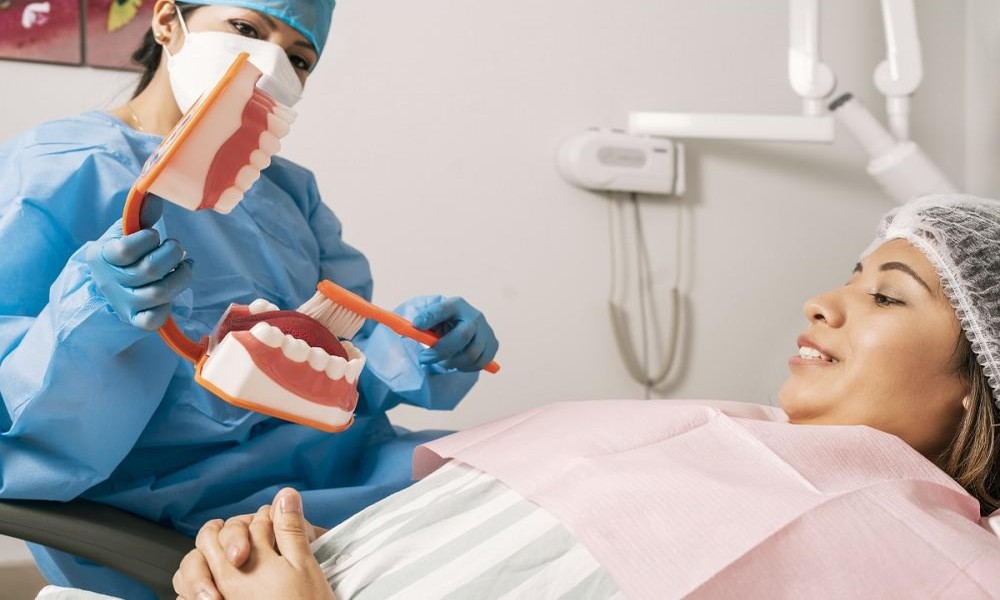
Dental pain can stop your day. It can keep you from work, sleep, and simple tasks like eating or speaking. Many of these emergencies do not start as sudden disasters. They grow from small problems that stay untreated. A tiny cavity. Bleeding gums. A cracked filling you ignore. Preventive dentistry stops these problems early. Regular cleanings, exams, and simple treatments protect you from urgent visits, high bills, and long recovery. They also protect your mood and your confidence. You feel more control. You worry less about surprise pain. This is true whether you see a general dentist or use services like Wichita falls sedation dentistry for high anxiety or complex care. This blog explains how routine checkups, cleanings, and early treatments reduce emergency dental visits. It also shows simple steps you can start today so your next visit is planned, calm, and short.
Why emergencies happen so often
Most dental emergencies come from three simple problems. Tooth decay. Gum disease. Injury to teeth or jaw. These start small. You may feel slight sensitivity to cold. You may see a little blood when you brush. You may chip a tooth and feel no pain. Then time passes. Bacteria grow. The nerve in the tooth swells. Infection spreads. Pain hits fast and hard.
Preventive care breaks this chain. You catch trouble while it is still easy to treat. A small filling is easier than a root canal. Cleaning early build up is easier than treating deep infection. A simple mouthguard is easier than fixing a broken tooth.
What preventive dentistry really includes
Preventive dentistry is not complex. It is steady, simple care that you repeat. Three basic steps matter most.
- Regular dental visits
- Daily home care
- Healthy food and drink choices
Regular visits mean a checkup and cleaning every six months for most people. Some people with higher risk need visits more often. During these visits the dentist or hygienist looks for early signs of decay, gum disease, cracks, and infection. They clean away hardened plaque that you cannot remove on your own. They may use fluoride or sealants to strengthen teeth.
Daily home care means brushing with fluoride toothpaste two times a day and cleaning between teeth. Floss or small brushes reach spots your toothbrush misses. This routine cuts the germs that cause cavities and gum disease. It also keeps breath fresh and gums firm.
Food and drink choices play a strong role. Frequent sugar and acid weaken enamel and feed bacteria. Water, plain milk, and unsweetened foods support strong teeth. Even one less sugary drink each day helps reduce risk.
How preventive care cuts emergency visits
Good prevention changes both how often you need urgent care and how serious it is when you do. The pattern is clear. The National Institute of Dental and Craniofacial Research shows that untreated decay is common in adults. Untreated decay is a main cause of sudden tooth pain and infection.
When you treat decay early, you avoid that painful stage. When you treat gum disease early, you avoid loose teeth and abscesses. When you protect teeth with mouthguards for sports, you avoid broken teeth and lost teeth.
The Centers for Disease Control and Prevention notes that preventive visits cost less than emergency treatment and reduce missed school and work days.
Cost and time: prevention versus emergency care
Preventive care saves both money and time. The exact cost varies by clinic and region. The pattern stays the same. Early care is shorter and cheaper. Emergency care is longer and more expensive. The table below shows a general comparison.
|
Type of visit |
Typical reason |
Approximate time in chair |
Relative cost level |
Chance of missed work or school |
|---|---|---|---|---|
|
Routine checkup and cleaning |
Scheduled exam, cleaning, x rays |
45 to 60 minutes |
Low |
Low |
|
Early cavity filling |
Small cavity found at checkup |
30 to 45 minutes |
Low to medium |
Low |
|
Emergency visit for severe toothache |
Deep decay, abscess, trauma |
60 to 120 minutes |
High |
High |
|
Root canal or extraction after delay |
Long term untreated problem |
90 minutes or more |
High to very high |
High |
Three clear points stand out. Planned visits are shorter. Planned visits cost less. Planned visits cause fewer missed days.
Support for children and older adults
Children and older adults face a higher risk of dental emergencies. Kids eat more snacks and may rush brushing. Older adults may take medicines that dry the mouth. They may have trouble using floss or brushes due to hand or memory limits.
You can help a child by doing three things. Set a steady brushing routine. Limit sugary drinks to mealtimes. Keep regular dental visits from the first birthday or first tooth. For older adults, you can offer gentle help with brushing, keep water close by, and schedule routine visits even when teeth do not hurt.
When anxiety or special needs stop you from going
Fear keeps many people away from dental offices until pain is severe. This leads to more emergency visits and more complex care. If anxiety, medical conditions, or sensory needs make visits hard, you still have options. You can ask about longer visit times, quiet rooms, or clear step-by-step plans. You can also ask about care with medicine that helps you relax. Some people use services like Wichita Falls sedation dentistry for this reason. The goal stays the same. You receive preventive care in a way that feels safe and calm.
Three simple steps you can start today
You can start reducing your risk of emergency visits right now. You can take three simple steps.
- Brush with fluoride toothpaste two times each day and clean between teeth once each day
- Cut sugary drinks to special times and sip water during the day
- Schedule your next checkup and keep that date even if you feel no pain
Dental emergencies feel sudden and crushing. Yet many do not have to happen. Steady preventive care gives you more control, fewer surprises, and a quieter life.
