

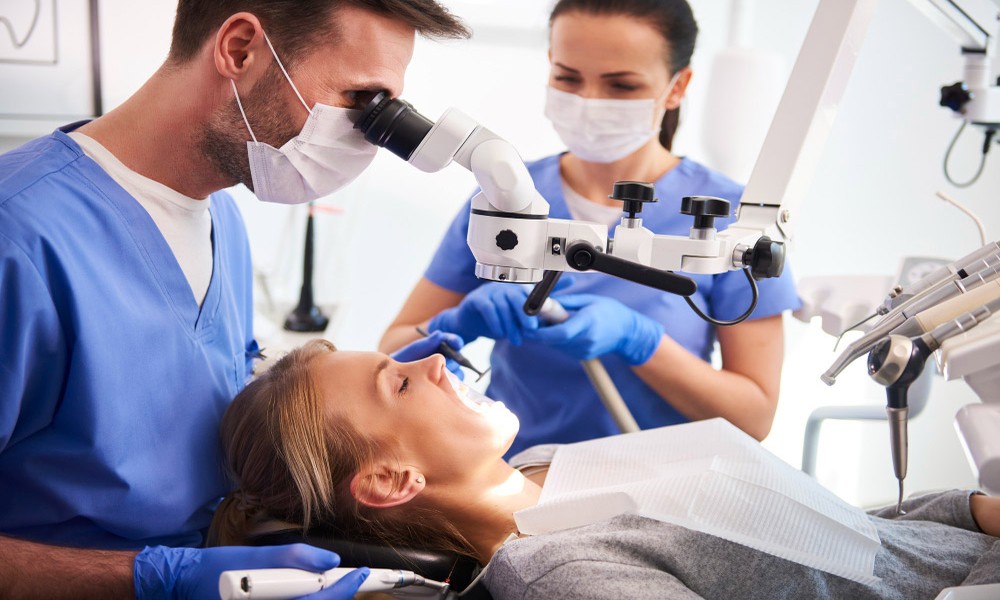
Modern dentistry focuses on one clear goal. You should feel calm and pain-free in the chair. New tools and methods now reduce pressure, shorten visits, and cut down on lingering soreness. Simple checkups and routine fillings no longer need to feel tense or draining. You can sit, breathe, and know what will happen next. That sense of control eases fear and protects your health. Many offices now use digital scans instead of sticky molds. They use quieter drills and gentle numbing options. Some work closely with a Coral Springs periodontist to support your gums and bone. These changes protect your teeth and also respect your daily life. You miss less work. You need fewer repeat visits. You recover faster. This blog explains how these modern steps work, what you can expect at your next visit, and how to ask for care that keeps you safe and comfortable.
Why comfort in dental care matters
Fear of pain keeps many people away from the dentist. That delay often leads to deeper decay, infection, or tooth loss. You then need stronger treatment. You may face higher costs. You may also face more time in the chair.
Current research from the National Institute of Dental and Craniofacial Research shows that untreated decay and gum disease remain common. When you avoid care, problems grow. When you feel safe and heard, you show up. You get small issues fixed early. You keep your teeth longer. You protect your heart and whole body health.
Digital tools that reduce stress and mess
Modern general dentists use digital tools that cut down on gagging, noise, and guesswork. These tools help you understand your mouth. They also help your dentist plan treatment that fits your needs.
- Digital X-rays. These use much less radiation than older film X-rays. You see clear images on a screen within seconds. You and your dentist can review them together and plan the next steps.
- Intraoral cameras. These small cameras fit inside your mouth. You see cracks, stains, and gum issues in real time. You no longer wonder what the dentist sees. That clarity builds trust.
- Digital impressions. A small wand scans your teeth. You avoid sticky trays that trigger gagging. Crowns, bridges, and night guards fit better and feel more natural.
These tools reduce repeat visits for fixes. They lower the chance of sore spots from a poor fit. They also limit surprises. You walk in knowing that care will feel clean and simple.
Gentler numbing and pain control
Many people fear the needle more than the actual work. Modern methods focus on that first step. The goal is simple. You should feel as little as possible.
- Topical gel before shots. A numbing gel rests on the gum first. It dulls the skin. You may feel only slight pressure during the shot.
- Computer guided anesthesia. Some offices use small devices that control the speed of the injection. Slow and steady flow lowers the sting and burning.
- Choice of numbing methods. For small work, your dentist may use shorter-acting drugs. You stay numb only as long as needed. You get back to normal faster.
The Centers for Disease Control and Prevention notes that early care prevents many painful infections. When numbing feels smooth, you are more likely to come in early. That choice protects your comfort in the long run.
Quieter tools and smoother fillings
Sound can trigger fear. Older drills were loud. They shook your jaw. Modern tools focus on lower noise and smoother motion.
- High speed handpieces with softer sound. These cut-tooth structures quickly. They reduce time in the chair. They produce less harsh noise.
- Air abrasion in some offices. For tiny cavities, a stream of fine particles can remove decay. Many patients need no shot for this step.
- Tooth colored fillings. These bond to the tooth. They often need less drilling than metal fillings. They also avoid metal taste and temperature shock.
Shorter drilling time means less strain on your jaw and neck. You leave the office less tired. You can return to work or school with more energy.
Comfort upgrades in the exam room
Comfort does not come only from tools. It also comes from small changes in the room around you.
- Neck and back support. Newer chairs offer better padding and shape. Your spine stays in a more natural line.
- Music and screens. You can watch a show or listen to calming sounds. Your mind shifts away from the work in your mouth.
- Blankets and sunglasses. Simple items block bright lights and help control shivers. These small steps lower tension.
These changes cost little. Yet they have strong effects on your sense of control. When your body feels steady, your mind can rest.
How modern dentistry supports gum and bone health
General dentists now work more closely with gum experts. This teamwork protects the base that holds your teeth in place.
- Routine cleanings use ultrasonic tools that break up hard deposits with gentle vibration and water spray.
- Antibacterial rinses and gels can reach deep pockets and lower infection.
- Fast referral to a specialist can stop bone loss early and reduce future pain.
When your gums stay firm, you avoid loose teeth and sore chewing. You also lower swelling and bleeding that can feel scary at home.
Key comfort features at a glance
|
Innovation |
Old experience |
New comfort gain |
|---|---|---|
|
Digital impressions |
Sticky trays and gagging |
Quick scan and easy breathing |
|
Computer guided numbing |
Sharp sting from fast shot |
Smoother pressure and less burn |
|
Tooth colored fillings |
More drilling and metal feel |
Less drilling and natural feel |
|
Ultrasonic cleaning |
Hand scraping for long periods |
Faster cleaning with steady motion |
|
Supportive chairs |
Stiff back and neck strain |
Better support and less soreness |
How you can speak up for comfort
You have a voice in your care. Before your visit, write down what scares you. During your visit, tell the team what you fear most. Ask about numbing choices, noise options, and break times.
- Ask the dentist to explain each step before it starts.
- Agree on a hand signal if you need a pause.
- Request more gel or extra time for numbing if you still feel sharp pain.
Most dentists welcome clear feedback. They want you to return. They know that comfort builds trust and long-term health.
Moving toward calmer dental visits
Modern general dentistry does more than fix teeth. It aims to protect your comfort, your time, and your sense of safety. Digital tools cut the mess. Gentler numbing tames pain. Quieter drills and better chairs reduce strain on your body.
When you use these options, you gain more than a clean mouth. You gain the strength to keep regular visits. You catch small problems early. You protect your smile and your well-being with less fear and less regret.
