

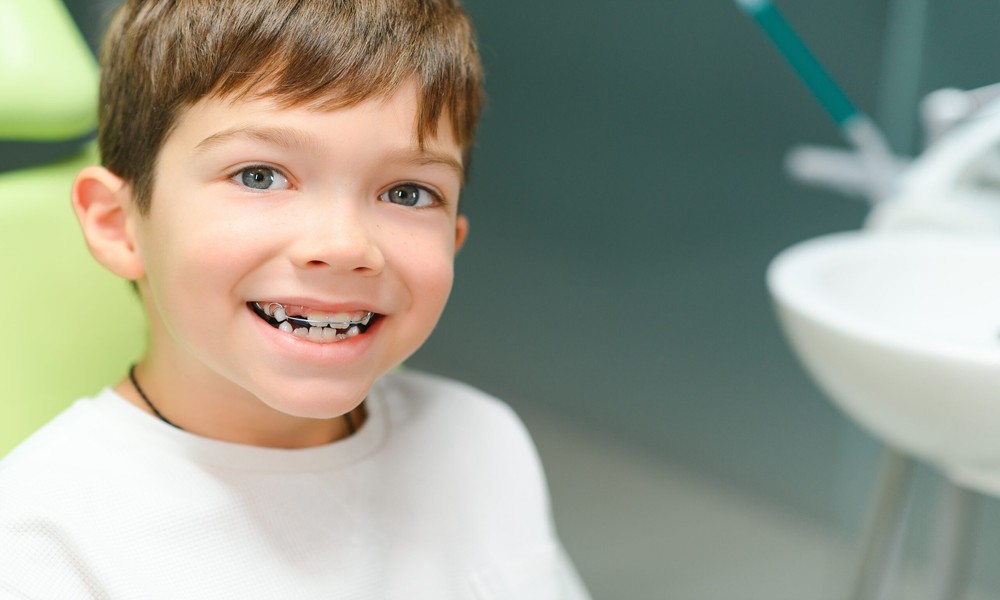
You might be watching your child’s smile change and wondering if what you are seeing is “normal.” Maybe the baby teeth look crowded, or that new front tooth came in at an odd angle, or your child is starting to feel self‑conscious about their bite. You might have heard that kids should see an orthodontist around age 7, but you are not sure how early dental visits to a family-friendly pediatric dental office in Cary fit into that picture.end
It is very common to feel torn. Part of you wants to be proactive, and another part worries about costs, time, and putting your child through treatment too soon. Because of this tension, you might wonder if regular pediatric dental care truly affects braces later, or if it is just another appointment on an already full calendar.
Here is the short version. Thoughtful pediatric dentistry can make future orthodontic treatment smoother, shorter, and sometimes less extensive. By tracking growth, guiding jaw and tooth development, and catching issues early, a pediatric dentist sets the stage for a healthier bite. You still might need an orthodontist, but your child is more likely to be ready, both physically and emotionally.
How early dental care shapes your child’s future bite
To understand how pediatric dentistry for orthodontic readiness works, it helps to think about your child’s mouth as a long‑term project. The baby teeth are not just temporary placeholders. They guide the jaw, hold space for adult teeth, and affect how your child chews, speaks, and smiles.
The American Academy of Pediatric Dentistry explains that development of the dentition follows fairly predictable stages, from baby teeth to mixed dentition to full adult teeth. You can see this in their guidelines on developing dentition and occlusion. When a pediatric dentist follows your child through these stages, they are not just counting cavities. They are watching for crowding, crossbites, early tooth loss, thumb sucking effects, and jaw growth patterns.
So where does the stress come in for parents? Often it starts when you notice something that looks “off” and you are not sure if it is urgent, cosmetic, or nothing at all. Maybe your child’s lower jaw looks small, or they are mouth breathing at night, or those front teeth are overlapping. Without guidance, it is easy to swing between ignoring it and fearing the worst.
What happens if early dental guidance is missing?
Imagine two children. Both will eventually need orthodontic treatment, but their journeys look very different.
Child A sees a pediatric dentist regularly from toddlerhood. When a baby molar is lost too early, the dentist places a simple space maintainer, so there is still room when the adult tooth is ready. When thumb sucking lingers, the dentist works with the family on gentle behavior strategies before it distorts the bite. Mild crowding is tracked over time, so if early orthodontic guidance is needed, it is timed well with growth spurts.
Child B rarely sees a dentist. A baby tooth with a deep cavity is lost long before its time. Neighboring teeth drift into the empty space, and when the adult tooth tries to come in, there is no room. A crossbite develops that affects chewing and facial growth. By the time anyone notices, the orthodontist is facing a more complex situation that may require longer treatment and possibly extractions.
Both children might end up in braces, but one has a shorter, more predictable, and often less expensive path, because pediatric dental care quietly supported orthodontic readiness all along.
This is why the AAPD recommends regular pediatric dental visits based on age and risk, not just when something hurts. You can see their suggested schedule in the periodicity guidelines. Those visits create a safety net for your child’s developing bite.
When should an orthodontist join the picture?
You might be wondering when it stops being “just the dentist” and becomes “time for braces.” Harvard’s guidance on orthodontic timing notes that children should generally have an initial orthodontic evaluation by about age 7. That early visit does not always mean treatment starts right away. Often it is a chance to assess growth, catch hidden problems, and plan ahead. You can read more in this overview of when children should first visit an orthodontist.
A strong pediatric dentist and orthodontist partnership works in both directions. The dentist notices early patterns and refers at the right time. The orthodontist shares a plan that the dentist supports with cleanings, monitoring, and preventive care. For you, it feels like one coordinated approach rather than scattered opinions.
Comparing “wait and see” with proactive pediatric dental care
It can help to see the differences between hoping things sort themselves out and using pediatric dentistry to support orthodontic planning. Every child is unique, but some common patterns show up again and again.
| Approach | Short‑Term Experience | Long‑Term Impact on Orthodontics | Emotional Impact on Child |
|---|---|---|---|
| “Wait and see” with rare dental visits | Fewer appointments now, issues only addressed when painful or obvious | Higher chance of crowding, space loss, and complex bite problems that need longer or more intensive treatment | More dental emergencies, fear around unexpected procedures, less trust in providers |
| Regular pediatric dental care without growth focus | Routine cleanings and fillings, less conversation about jaw and tooth development | Some issues caught, but others missed until later, orthodontic planning can feel rushed | Moderate comfort in the chair, but more anxiety when referrals suddenly appear |
| Growth‑focused pediatric dentistry supporting orthodontic readiness | Consistent checkups, calm monitoring of growth, small early interventions when needed | Better spacing, healthier gums and enamel, orthodontic treatment often shorter and more predictable | Greater confidence, stronger relationship with dental providers, more cooperation with braces or aligners |
Practical ways pediatric dentistry builds orthodontic readiness
So how does a pediatric dentist actually make a difference for future braces or aligners in day‑to‑day care?
First, they protect space. If a baby tooth is lost too early to decay or injury, a space maintainer can keep nearby teeth from drifting. This is a small step that can prevent major crowding later. Second, they guide habits. Thumb sucking, pacifier use, mouth breathing, and tongue thrusting can all change how the jaw grows. A pediatric dentist can suggest gentle habit changes or simple appliances when needed.
Third, they track growth with intention. Over time, they build a picture of how your child’s jaws and teeth are developing. That history helps them time referrals and means the orthodontist sees more than a single snapshot. It is the difference between watching a movie and glancing at one frame.
Finally, they protect the foundation. Healthy gums and strong enamel are not just about avoiding cavities. Braces are much harder to manage if the mouth is already struggling. Early focus on brushing, flossing, and diet makes orthodontic treatment safer and more comfortable.
Three steps you can take now to support your child’s future smile
1. Start and maintain regular pediatric dental visits early
If your child has not seen a pediatric dentist yet, the best time to begin is now, even if there are no obvious problems. Aim for visits at least every six months, or more often if recommended. Ask directly about how your child’s teeth and jaws are developing, not just whether there are cavities.
2. Ask growth‑focused questions at each appointment
Your questions can steer the conversation toward orthodontic readiness. You might ask things like, “Do you see any early signs of crowding or bite problems?” or “Are there any habits, like thumb sucking or mouth breathing, that could affect how the teeth grow in?” or “When do you think we should get an orthodontic opinion?” These questions invite your child’s dentist to share what they are already noticing.
3. Plan ahead for an orthodontic evaluation around age 7
If your child is nearing age 7, ask the pediatric dentist whether it is time for that first orthodontic check. Even if treatment is years away, having a baseline visit can be reassuring. It also shows your child that braces are not something to fear, just another step in caring for their smile.
Moving forward with more clarity and less worry
You do not have to become an expert in tooth development to protect your child’s future smile. What you can do is put the right team in place. Thoughtful early orthodontic support from pediatric dentistry can turn a confusing, stressful process into a guided journey, one steady appointment at a time.
Your concern already shows you are paying attention, and that matters. With regular pediatric dental care, open questions about growth, and a timely orthodontic check, you give your child something powerful. Not just straighter teeth, but a healthier, more confident smile that feels like it belongs to them.
