

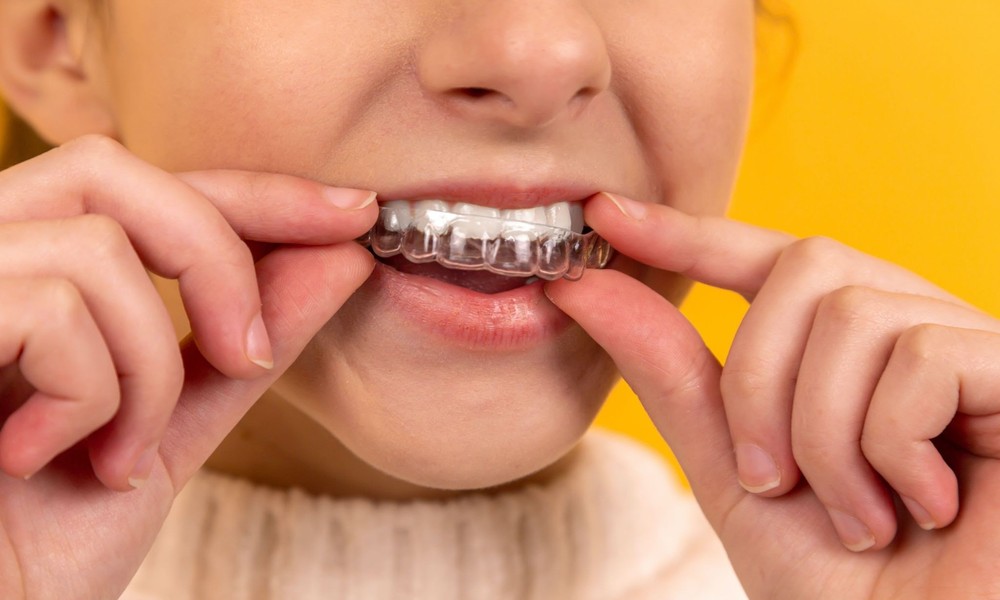
Sports seasons can be rough on your smile. Mouthguards crack. Elbows hit. One bad fall can chip a veneer or loosen a crown. You worked hard for your cosmetic work. You deserve to keep it safe. A family dentist understands the pressure of games, practice, and weekend tournaments. This support goes beyond quick fixes. It focuses on smart planning, strong protection, and fast response when something breaks. A dentist in Buford can help you choose the right guard, adjust it for braces or aligners, and check for small problems before they turn into broken teeth. You learn what to do after a hit, how to store your guard, and when to replace it. These steps protect your smile, your money, and your confidence every season.
1. Custom Mouthguards That Actually Protect Cosmetic Work
Store-bought guards seem easy. You boil them. You bite. You hope they fit. Many slip. Some block breathing. Most do not protect cosmetic work.
A family dentist studies your teeth, gums, and bite. The dentist designs a guard that fits your crowns, veneers, implants, or bonding. That close fit spreads the force of a hit across the whole guard. This lowers the chance of a cracked veneer or a broken crown.
The dentist also looks at your sport and position. A goalie, wrestler, or point guard needs thicker protection than a golfer. You get a guard that fits your life, not a general guess.
Research shows clear benefits. The American Dental Association reports that mouthguards can reduce oral injuries for contact sports by strong margins.
Comparison of Common Mouthguard Types
|
Type |
Fit |
Protection for Crowns / Veneers |
Comfort During Play |
Typical User |
|---|---|---|---|---|
|
Stock (pre formed) |
Poor |
Low |
Low |
New or casual athlete |
|
Boil and bite |
Fair |
Moderate |
Fair |
Recreational player |
|
Custom dental mouthguard |
Close |
High |
High |
Athlete with cosmetic work or braces |
2. Regular Sports Season Checkups That Catch Small Cracks Early
Every season brings hits, clenching, and grinding. Even if you never lose a tooth, slow damage can build. Tiny chips at the edge of a veneer. Hairline cracks in a crown. Sore spots under a bridge.
Regular checkups during the sports season catch these quiet problems. A family dentist checks three things.
- The fit of your mouthguard on your cosmetic work
- Signs of wear on veneers, crowns, and bonding
- Changes in your bite from growth or orthodontic shifts
Quick repairs prevent a full break during a game. A small polish or minor repair today can stop a full crown replacement later. This saves time, money, and missed games.
For children and teens, this matters more. Faces and jaws grow. Teeth move. A guard that fit last season may pinch or rub this season. The Centers for Disease Control and Prevention’s tooth injury overview explains how fast injuries can change a growing smile. A family dentist tracks that growth and updates the plan.
3. Emergency Plans When Sports Hit Damage Cosmetic Work
Even with strong planning, accidents still happen. A ball hits your mouth. A helmet slips. You feel a sharp edge where a smooth veneer used to sit.
A family dentist helps you build a clear emergency plan before the season starts. You know what to do in the first ten minutes after an injury. You also know when to seek urgent care.
That plan often covers three steps.
- How to find and store broken pieces of tooth or porcelain
- How to clean the mouth with cool water and gentle pressure
- Who to call and what photos to send for quick advice
Quick action can save a veneer or crown. In some cases, the dentist can bond a piece back in place if you store it clean and moist. Without a plan, panic can lead to lost pieces and worse damage.
Children need clear words and calm action. When you follow a known plan, you lower fear. You also show your child that their smile matters.
4. Coaching on Habits That Protect Cosmetic Work All Season
Many sports injuries to teeth do not come from a single big hit. They come from small habits during practice and travel.
A family dentist teaches you and your child how to avoid three common risks.
- Chewing on hard objects like ice, pens, or bottle caps
- Grinding teeth during stress, games, or sleep
- Taking the mouthguard out and biting on it during breaks
The dentist may suggest a night guard if you grind. This guard differs from a sports guard. It protects cosmetic work while you sleep. The dentist may also adjust your sports guard so you can breathe and speak with less strain. That comfort reduces the urge to chew on it.
Food choices also matter. Hard candy, popcorn kernels, and sticky snacks can pull on crowns or crack thin edges. Simple swaps help. Choose softer snacks. Rinse with water after sports drinks. Brush with fluoride toothpaste twice a day. These steps protect natural teeth and cosmetic work.
Bringing It All Together For Your Family
Cosmetic work is an investment in health and confidence. Sports bring joy, strength, and teamwork. You should not have to choose between them.
When you work with a family dentist, you gain three layers of protection.
- A custom mouthguard that fits your smile and your sport
- Regular checkups that catch damage early
- A clear emergency and habit plan for your whole family
Each season, review the plan with your dentist. Ask if your child has grown enough to need a new guard. Share any hits to the face, even if they seemed small. Bring the guard to every dental visit so the dentist can check its fit and strength.
You cannot stop every stray elbow or fastball. You can still guard the smile you paid for and care about. With steady planning and support, your crowns, veneers, and bonding can stay strong through every game, practice, and playoff run.
