

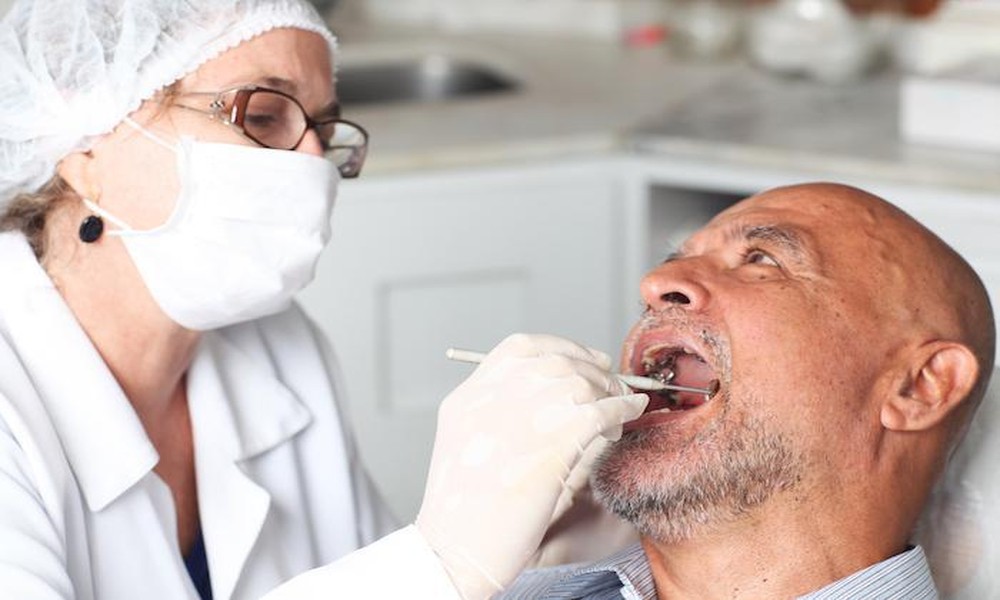
Tooth sensitivity can hit fast. Cold water stings. Hot food burns. Even a deep breath in winter can cause a sharp shock. You may start to avoid favorite foods. You may chew on one side. You may feel nervous every time you pick up a fork. A Chalfont dentist understands this pain and does not ignore it. Tooth sensitivity is not a small issue. It is a warning sign. It can point to worn enamel, gum loss, tooth decay, or a cracked tooth. Each cause needs a clear plan. General dentists look for the source, not just the symptom. They use simple tests, honest questions, and careful exams. Then they choose targeted care. You gain relief. You also protect your teeth from more damage. This blog explains how general dentists find the cause of your sensitivity and what they can do to help you eat, drink, and smile with confidence again.
Why teeth become sensitive
Teeth feel sensitive when the inner layer, called dentin, is uncovered. This layer has tiny paths that lead to the nerve. When cold, heat, or sweet food touch those paths, pain starts.
Common triggers include:
- Brushing too hard over time
- Acidic drinks that wear enamel
- Teeth grinding during sleep
- Gum recession that exposes roots
- Cavities or cracked teeth
- Recent dental work such as fillings or whitening
The National Institute of Dental and Craniofacial Research explains that enamel loss cannot grow back. That fact makes early action important. You cannot wait for sensitivity to fade. You need a plan.
How your dentist finds the cause
Your visit starts with a clear talk. You describe your pain. You share when it started. You explain what triggers it. Cold drinks. Hot food. Sweet snacks. Air.
Then your dentist will:
- Check each tooth for worn enamel or chips
- Look at your gums for swelling or recession
- Test spots with cold air or water
- Tap teeth to find cracks or deep decay
- Review your brushing and flossing routine
- Order X rays if needed
This full review helps sort out the true cause. Pain from a small exposed root needs a different plan than pain from a deep cavity. Guessing at home with random products can mask a serious problem.
Common treatments for tooth sensitivity
General dentists use a step-by-step approach. They start with simple changes. They move to stronger care only when needed.
Common tooth sensitivity causes and typical dental responses
|
Cause |
What you may feel |
Typical dentist response |
|---|---|---|
|
Worn enamel |
Sharp pain with cold drinks |
Desensitizing toothpaste and fluoride treatment |
|
Gum recession |
Pulling pain at the gumline |
Gentle brushing plan and bonding near roots |
|
Cavity |
Lingering ache after sweet or cold |
Filling or crown |
|
Cracked tooth |
Sudden pain when biting |
Crown or root canal |
|
Teeth grinding |
Morning jaw soreness |
Night guard and bite adjustment |
|
Recent whitening |
Short bursts with cold only |
Short break from whitening and special toothpaste |
Home care your dentist may suggest
Your daily habits shape your teeth. A dentist will guide you to change three main things.
First, product choice.
- Use fluoride toothpaste that lists sensitivity relief
- Choose a soft bristle brush
- Pick alcohol free mouth rinse
Second, brushing style.
- Brush gently for two minutes
- Use small circles, not hard scrubbing
- Aim the brush at the gumline, not into the gums
Third, food and drink.
- Limit soda, sports drinks, and citrus drinks
- Rinse with water after sour foods
- Do not brush right after acid exposure
The Centers for Disease Control and Prevention explain that fluoride helps harden enamel and reduce decay.
Office treatments that protect sensitive teeth
If home steps are not enough, your dentist can use in-office treatments. These focus on three goals. They block pain paths. They cover exposed spots. They remove disease.
- Fluoride varnish. Thick fluoride is painted on teeth to harden enamel.
- Desensitizing agents. Gels or liquids that plug the tiny paths in dentin.
- Dental bonding. Tooth colored resin is placed over exposed roots.
- Fillings or crowns. Repair for decay or large breaks.
- Root canal treatment. Relief when the nerve is inflamed or infected.
- Night guards. Clear trays to protect teeth from grinding.
Each option has a clear purpose. Your dentist will explain what you can expect to feel during and after the visit. You can ask about cost, number of visits, and how long results may last.
How to protect your teeth long term
Once your pain is under control, your goal is to keep it away. Think in three steps.
First, keep your routine.
- Brush twice a day
- Floss once a day
- Use your sensitivity toothpaste as directed
Second, see your dentist on schedule.
- Get cleanings every six months or as advised
- Share any new pain right away
- Replace worn night guards or retainers
Third, protect your teeth from sudden stress.
- Wear a mouthguard for contact sports
- Avoid using your teeth to open packages
- Limit constant snacking on sugary foods
When to call a dentist right away
Sensitivity needs quick care when:
- Pain wakes you from sleep
- Pain lingers more than one minute after a trigger
- You see swelling in your face or gums
- You notice a crack or broken piece
- Over-the-counter products do nothing after two weeks
These signs can point to infection or deep decay. Fast treatment can save the tooth and reduce the need for stronger work.
You do not need to live with sharp tooth pain
Tooth sensitivity can drain your mood and your patience. Cold drinks become a test. Family meals feel tense. Yet with a clear exam and a focused plan, most people gain relief.
General dentists know how to track the cause, calm the nerve, and protect enamel and gums. When you speak up early, treatment is often simple. You get back to eating, speaking, and smiling without that sudden shock that steals your breath.

Carmel Issac is a blogger and writer. He loves to express his ideas and thoughts through his writings.
