

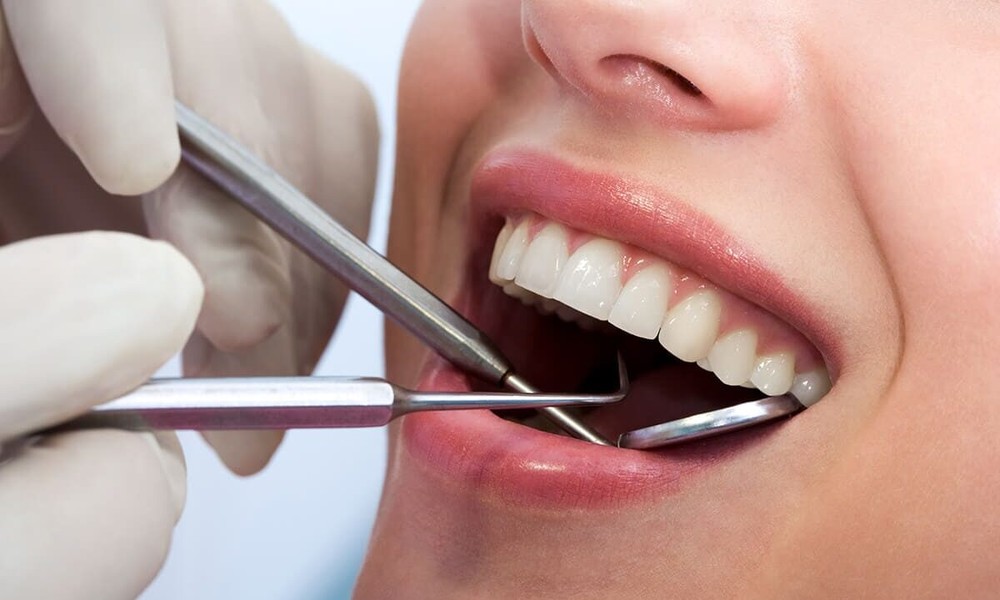
Your mouth rarely sends a clear warning before trouble starts. Cavities, gum disease, and oral cancer often grow in silence. Regular visits with a general dentist protect you from that silence. During each visit, your dentist looks for small changes that you might miss in the mirror. Early signs can include tiny chips, faint stains, mild bleeding, or slight shifts in how your teeth fit together. These changes can point to deeper problems that grow fast when ignored. A general dentist also tracks your health history, medications, and habits like grinding or smoking. That record helps connect small symptoms to bigger risks. Regular cleanings remove buildup that hides early damage. X-rays and simple tests reveal what the eye cannot see. If you see a trusted dentist in Great Neck, NY, you get more than a cleaning. You get early answers before pain or loss appears.
1. Routine checkups catch silent problems early
You cannot fix what you do not see. Routine checkups help you see trouble before it hurts or spreads. During a standard visit, your dentist checks your teeth, gums, tongue, cheeks, and jaw. You sit in the chair for a short time. Yet your dentist scans years of risk.
Here is what happens during a typical checkup:
- Visual exam of every tooth and gum line
- Review of changes in your medical history
- Check for signs of grinding or clenching
- Assessment of past fillings, crowns, and other work
Each step looks simple. Together they form a safety net. You may feel fine. Still, your dentist may spot decay between teeth, gum pockets that trap germs, or worn edges that signal stress or sleep apnea.
The Centers for Disease Control and Prevention notes that tooth decay remains common in both children and adults. Regular checkups help you cut that risk. You trade a short visit for protection from sudden pain and rushed treatment.
2. Professional cleanings reveal what brushing hides
You brush and floss. That work matters. Yet home care cannot remove all plaque and tartar. Hardened buildup clings to tight spaces your brush cannot reach. You may not feel it. Your gums do.
During a professional cleaning, your dental team:
- Scrapes away tartar above and below the gum line
- Polishes teeth to smooth rough surfaces
- Uses floss to clear hidden food and plaque
- Checks for bleeding, swelling, or tenderness
Bleeding or swelling during a cleaning can point to early gum disease. At this stage, you can still reverse many changes with better home care and follow-up visits. If you wait until your gums recede or your teeth feel loose, your options shrink.
Cleanings also expose hidden decay and cracks. Once the tartar is gone, your dentist can see the true surface of each tooth. Small dark spots, grooves, or soft places stand out. That means treatment can start while the problem is still small.
3. X-rays and tests see below the surface
Some problems hide under fillings, inside the tooth, or in the jawbone. You cannot see them in the mirror. Your dentist cannot see them with the naked eye. X-rays and simple office tests fill that gap.
Common tools include:
- Bitewing X-rays to spot decay between teeth
- Periapical X-rays to check roots and bone
- Panoramic images to view the whole jaw
- Cold or pressure tests to check nerve health
The National Institute of Dental and Craniofacial Research explains that decay forms when germs attack enamel over time. X-rays help find the attack at an early stage. A small shadow on an image can mean the start of a cavity. A slight change in bone height can warn of gum disease.
These tools use low radiation and clear standards. Your dentist weighs your age, health, and risk level before ordering them. The goal is simple. See trouble sooner so treatment stays simple and less costly.
Home checks vs dental office tools for early detection
|
Method |
What you can detect |
What you likely miss |
|---|---|---|
|
Home mirror check |
Visible stains. Large chips. Obvious swelling. |
Between tooth decay. Early gum pockets. Bone loss. |
|
Toothbrush and floss |
Food debris. Soft plaque at the gum line. |
Hardened tartar. Deep pockets. Root issues. |
|
Dental exam and cleaning |
Early gum disease. Small cracks. Loose fillings. |
Hidden root decay. Jawbone changes. |
|
X rays and office tests |
Between tooth decay. Bone loss. Root infections. |
Very small surface stains that are only cosmetic. |
4. Oral cancer screenings protect your whole health
Oral cancer can start as a tiny spot or sore that does not heal. It may not hurt. It may look harmless. A general dentist sees these changes many times over a career. That experience helps sort harmless spots from dangerous ones.
During a screening, your dentist:
- Checks your lips, tongue, cheeks, and throat
- Looks for red or white patches
- Feels your jaw and neck for lumps
- Asks about hoarseness or trouble swallowing
Early oral cancer can respond well to treatment. Late cancer brings more pain, more care, and more loss. Risk rises if you smoke or drink often. Risk also rises as you age. Even so, anyone can develop it. That is why routine screenings during regular visits matter for both adults and teens.
5. Ongoing relationships reveal patterns over time
Early detection does not depend only on tools. It also depends on trust and time. When you see the same general dentist on a regular schedule, that dentist learns your mouth’s story.
Over several visits, your dentist can notice patterns such as:
- New cavities every year in the same spots
- Slow gum changes that point to diabetes or other health issues
- Wear patterns that suggest grinding or jaw problems
- Changes linked to new medications or stress
This long view lets your dentist suggest small changes before problems grow. You might change how often you come in. You might adjust your brushing or add fluoride. You might see a medical doctor for blood tests. The key is that someone is watching out for you and your family in a steady way.
Putting it all together for your family
General dentistry is not only about fixing pain. It is about guarding your health before pain starts. You gain that guard through five simple habits. You keep regular checkups. You get professional cleanings. You allow X-rays and tests when needed. You accept oral cancer screenings. You build a steady relationship with a trusted dentist.
These steps help you protect your teeth, gums, and jaw. They also support your speech, eating, sleep, and self-respect. You deserve that protection. Your family does too.
