

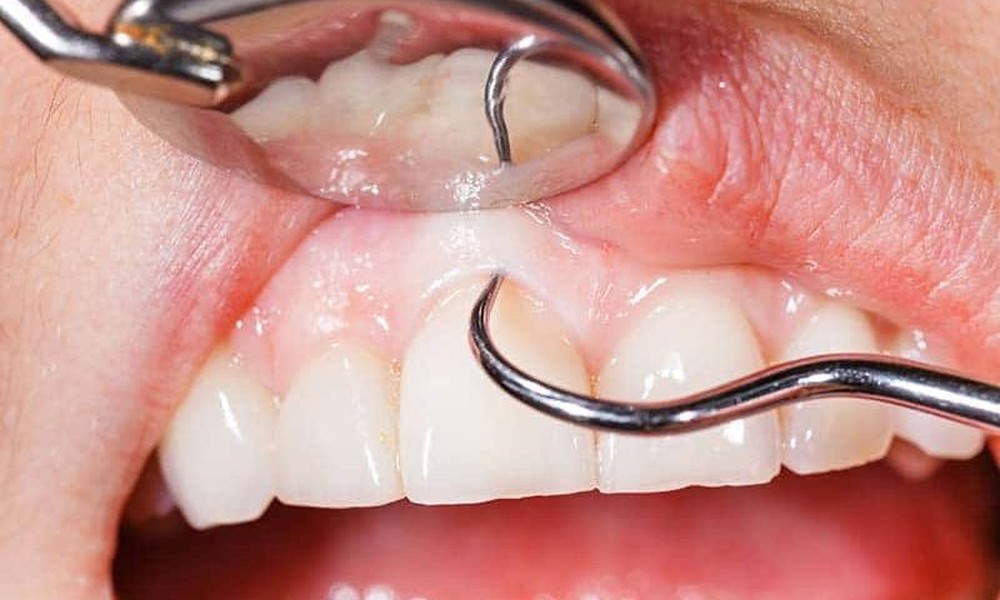
You might be feeling a mix of worry and guilt right now. Maybe your gums bleed when you brush, your breath is hard to control, or a tooth feels a little loose and you are scared to even touch it. It can feel like things went from “a bit of bleeding now and then” to “what if I lose my teeth” in no time at all, and that’s when many people decide it’s time to see a gum specialist in West Islip, NY.
If that sounds familiar, you are not alone. Gum disease often creeps in quietly. By the time you notice, it can feel like you are already behind. The good news is that this is exactly where a periodontist and implant dentist can step in to protect what matters most. Your own natural teeth.
In simple terms, a periodontist is a specialist who focuses on the gums, bone, and supporting structures that hold your teeth in place. Their work often means the difference between saving a tooth and losing it. The short version. They help control infection, stop bone loss, rebuild damaged support, and only turn to implants when there is no other way to keep a natural tooth.
So where does that leave you? It means there are specific, practical ways a periodontist can help you keep your teeth, even if things already feel serious.
Why do gums and bone matter so much for keeping your teeth?
It usually starts quietly. A bit of red on the toothbrush, gums that look puffier than they used to, or a strange taste in your mouth. Life is busy, so you ignore it. Then one day you notice your teeth look longer, or a gap seems wider than before. That is when the fear sets in.
The core problem is that gum disease attacks the foundation that holds your teeth. According to the CDC, periodontal disease is a common chronic condition that can destroy the soft tissue and bone around teeth if it is not treated. You can read more about how gum disease develops on the CDC’s periodontal disease overview.
Once the bone and gums pull away, teeth lose their support. That is why you might feel looseness or notice your bite changing. It is not just a cosmetic problem. It is structural.
Because of this, you might wonder. Is it already too late to save my teeth?
Often, it is not too late at all. This is where a periodontist for saving natural teeth can change the direction of your story. They do not just clean your teeth. They treat the infection below the surface and rebuild what has been damaged when possible.
How do periodontists actually protect natural teeth?
To make this real, imagine two different people.
One person has moderate gum disease. Their gums bleed, and there are deep pockets around the teeth. With focused periodontal treatment, the infection is controlled, the pockets shrink, and those teeth last for many more years.
The other person ignores the signs. By the time they seek help, several teeth are loose, and the bone has severely broken down. Some teeth cannot be saved, so they need extractions and implants. The outcome is more costly, more stressful, and emotionally harder.
Both people started in a similar place. The difference was timing and getting the right specialist involved. So, what does a periodontist actually do to protect your natural teeth?
5 ways periodontists help you keep your own teeth
Here are five key ways a periodontist and implant dentist works to protect and preserve your natural teeth before, during, and even after advanced treatment.
1. They control the infection that destroys gum and bone
Gum disease is an infection caused by bacteria under the gumline. Periodontists use targeted treatments such as deep cleaning (scaling and root planing), localized antibiotics, and personalized home care plans to remove the bacteria and smooth the root surfaces so the gums can heal.
When the infection is controlled, the destructive cycle slows or stops. That means less bone loss and a better chance that your teeth stay solid.
2. They reduce deep pockets so bacteria have fewer hiding places
As gum disease progresses, the gums pull away from the teeth and create “pockets.” These pockets are hard to clean on your own, which makes them a perfect shelter for more bacteria.
Periodontists measure these pockets carefully and use therapies to reduce their depth. In some cases, they may recommend procedures to reshape the gums so you can clean them better at home. Shallower pockets mean less risk of ongoing damage and more stability for your teeth.
3. They rebuild lost support with regenerative procedures
In certain situations, a periodontist can use regenerative treatments to encourage new bone or attachment around a tooth. Procedures such as guided tissue regeneration or bone grafting can sometimes restore part of what was lost and strengthen the tooth’s foundation.
Not every tooth qualifies for these advanced treatments, but when they do, it can dramatically improve the chances of keeping that tooth for years.
4. They stabilize loose teeth and improve your bite
When teeth start to feel loose, it is frightening. You may avoid chewing on one side or feel nervous every time you bite into something. Periodontists can address this in a few ways. By treating the underlying disease, adjusting the bite so certain teeth are not overloaded, or using splinting techniques to connect loose teeth and share the forces.
By reducing stress on already weakened teeth and controlling inflammation, they help your existing teeth function more comfortably and safely.
5. They use implants wisely, to protect remaining natural teeth
Sometimes a tooth simply cannot be saved. In those cases, a periodontist who also places implants will look at the whole mouth and long term stability. A thoughtful periodontal and implant treatment plan can replace hopeless teeth while protecting the teeth that are still healthy enough to keep.
Implants can prevent neighboring teeth from drifting, help you chew better, and reduce strain on the rest of your mouth. When used this way, implants become part of a strategy to protect your natural teeth, not replace them unnecessarily.
Should you wait or see a periodontist now?
It is tempting to wait and hope things improve with better brushing or a new mouthwash. The hard truth is that established periodontitis does not reverse with home care alone. According to Mayo Clinic experts, advanced gum disease usually requires professional treatment to clean bacteria from the pockets and sometimes surgery to allow deeper cleaning and easier maintenance. You can read more about common treatment options in the Mayo Clinic periodontitis treatment guide.
So the question becomes. What costs you more over time. Early specialty care, or waiting until you need multiple extractions and complex reconstruction?
Comparing “do nothing,” basic care, and specialist care for gum disease
To put things in perspective, here is a simple comparison of common paths people take when facing gum problems.
| Approach | What it usually includes | Short term impact | Long term impact on natural teeth |
|---|---|---|---|
| Ignore symptoms | No change in habits. Occasional pain relief when things flare up. | Less time and cost now, but symptoms keep returning or getting worse. | Higher risk of tooth loss, infections, and more complex, expensive treatment later. |
| Basic dental cleanings only | Routine cleanings and checkups with a general dentist. | Helpful for early gum irritation, some improvement in bleeding. | For moderate to severe disease, damage often continues below the gumline. |
| Specialist periodontal care | Deep cleanings, pocket management, possible regenerative or surgical treatment, ongoing maintenance. | More focused visits and cost upfront, clearer diagnosis and plan. | Stronger chance of keeping natural teeth longer, more predictable control of disease. |
This is not about choosing the “perfect” path. It is about choosing the path that gives you the best chance of keeping your own teeth as long as possible.
Three practical steps you can take right now
1. Pay attention to warning signs and write them down
Notice what you are experiencing. Bleeding when brushing or flossing. Gums that look red or puffy. Teeth that feel loose or sensitive. Bad breath that does not go away. Receding gums that make teeth look longer. Write these down along with how long you have noticed them. This simple list will help a periodontist understand how urgently you need care and which areas to focus on.
2. Ask your general dentist directly about periodontal health
If you already see a dentist, ask clear questions. “What is my gum disease status?” “What are my pocket depths?” “Do you think I should see a periodontist for my gums and bone?” Being direct can open the door to a referral and give you a more honest picture of what is going on. If you have not had a full exam in a while, scheduling one is an important first step.
3. Prepare for a periodontal consultation with clear goals
Before you meet a specialist, decide what matters most to you. For example, “I want to keep as many of my natural teeth as possible.” “I want to stop things from getting worse.” “I am scared of pain and cost, and I need someone to walk me through options.” Share these goals at your visit. A good periodontist will use them to shape a plan that fits your health, your budget, and your tolerance for treatment.
Moving from fear to a clear plan for your teeth
If you are reading this with a knot in your stomach, wondering if you are already too late, take a breath. Gum disease is serious, but with the right help it is often manageable, and natural teeth can be preserved far longer than many people realize.
A thoughtful partnership with a periodontist can shift your story from “I am losing my teeth” to “I have a plan to protect what I have.” You do not have to know all the technical terms. You just need to take the next small step, ask honest questions, and choose care that looks beyond today and toward the years ahead.
Your natural teeth matter. Your comfort, confidence, and ability to enjoy food and smile without worry matter too. Reaching out for expert periodontal care is not a sign that things are hopeless. It is a sign that you are ready to protect what you still have and give yourself better options going forward.
