

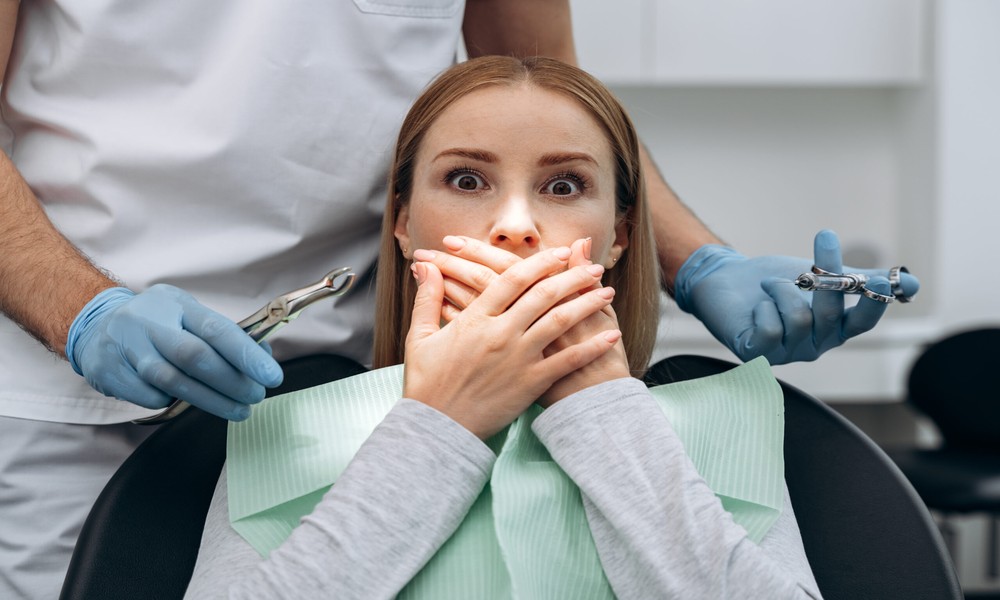
Cosmetic dental care can stir up fear. You might worry about pain, judgment, or how you will look. That fear can keep you from fixing a smile that bothers you every day. You are not alone. Many people feel their chest tighten the moment they sit in a dental chair. A dentist in Lenoir City, TN understands this stress and plans each visit to lower that tension. You get clear answers, steady guidance, and simple steps that feel safe. You stay in control of what happens in your mouth. You also gain support from a team that respects your limits. Small changes in communication, numbing, and timing can turn a hard visit into a calm one. This blog walks through three practical ways dentists ease fear and help you feel sure about cosmetic care.
1. Clear Communication That Puts You In Charge
Fear grows in silence. When you do not know what will happen, your mind fills in the gaps with worst case thoughts. A good dentist cuts through that fog with plain words and honest talk.
You should know three things before any cosmetic work starts.
- What the treatment is
- Why it is needed
- What you will feel at each step
You can ask for a simple walk-through. The dentist can show tools, explain sounds, and tell you how long each part will take. You can also agree on a stop signal so you stay in control. A raised hand can pause the visit so you can breathe, rinse, or ask a question.
The best dental teams listen without judgment. You can say “I feel scared” or “I had a bad visit before” and expect calm respect. That trust matters. Research on dental fear shows that open talk and control reduce anxiety and help people return for care.
2. Numbing, Comfort Tools, and Step-by-Step Care
Pain fear is common. You might carry memories of a rough visit from childhood. Today you have more options that protect comfort during cosmetic care.
Here are common tools that dentists use to keep you at ease.
|
Comfort option |
What it does |
When it is used |
|---|---|---|
|
Topical numbing gel |
Numbs the surface of your gums |
Before a local shot or minor work |
|
Local anesthetic shot |
Blocks pain in one part of your mouth |
For fillings, crowns, and many cosmetic steps |
|
Short visits |
Cuts long sessions into smaller ones |
When you tire easily or feel tense |
|
Noise control |
Limits sound that can trigger fear |
For drills or polishers that buzz |
|
Distraction tools |
Pulls focus away from fear and pain |
Music, TV, or guided breathing during care |
You can ask your dentist to explain each comfort option. You can also ask to test the numb spot before work begins. A simple tap or air puff shows if you feel ready. This small check gives you proof that the medicine works.
You may also need some body support. A neck pillow, a blanket, or a small break to stretch can keep tension from building. Short visits can help if long sessions feel like too much. You can agree to work on one side of your mouth or one tooth at a time.
Guided breathing can also calm your body. Slow breaths in through the nose and out through the mouth tell your nervous system that you are safe. You can plan this with your dentist so you use it during the hardest parts.
3. Stepwise Cosmetic Plans That Build Confidence
You do not need to fix everything at once. A strong dentist helps you build a plan that fits your comfort, your time, and your budget. Small wins build trust and confidence.
Here is an example of a simple step plan for cosmetic goals.
|
Step |
Focus |
What you gain |
|---|---|---|
|
1. Talk and exam |
Share fears and goals. Check teeth and gums. |
Clear picture of needs. No treatment yet. |
|
2. Basic cleaning |
Remove plaque and stain. |
Fresher mouth. First trust building visit. |
|
3. Whitening or small bond |
Low impact cosmetic change. |
Fast notice of change. More hope. |
|
4. Larger work if needed |
Veneers, crowns, or aligners. |
Stronger bite. More even smile. |
This type of plan gives you a chance to test how the office treats you before bigger steps. You can pause between visits and check how you feel. You can adjust the plan if fear grows or if life changes.
The American Dental Association explains that routine care protects teeth and helps limit the need for urgent work. You can see more about prevention at the ADA MouthHealthy site at this guide on what to expect at the dental visit. When you stay on track, cosmetic care often becomes simpler and less intense.
How To Talk To Your Dentist About Fear
Your fear is real. You deserve care that respects that. You can use three simple steps.
- Say it early. Tell the office about your fear when you book.
- Be clear. Share what scares you most, such as needles, sounds, or loss of control.
- Agree on a plan. Set a stop signal, comfort tools, and time limits before you sit down.
Write your questions at home. Bring a list so you do not forget when you feel nervous. You can ask about numbing choices, time in the chair, and what results you can expect from each cosmetic step.
Moving From Fear To Confidence
Cosmetic care is not only about looks. A smile you trust can change how you speak, eat, and connect with others. Fear can block that change, but it does not have to rule you.
With clear talk, real comfort tools, and a stepwise plan, you can feel safe during treatment. You can start small and let trust grow. You can choose a dentist who sees you as a whole person, not just a set of teeth.
Your fear has a story. Your next visit can start a new one. You deserve a smile that matches your courage.
