

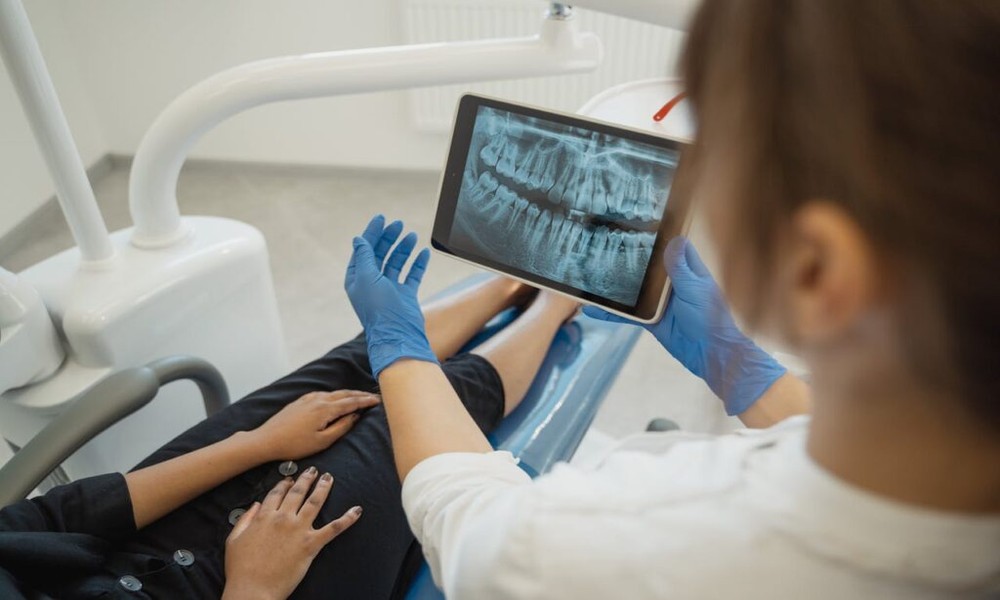
Aging changes your teeth, gums, and mouth in quiet but stubborn ways. Dry mouth from medicine. Worn teeth from years of use. Higher risk of infection and broken teeth. You may feel pressure to see many specialists. Yet your general dentist can guide all of your care. This includes help from a cosmetic dentist in Livermore when you need it. A strong general dentist looks at your full health record. Then treatment protects your comfort, speech, and ability to eat. You get clear steps, not guesswork. Regular visits catch small problems early. Targeted cleanings, simple repairs, and well planned crowns or dentures keep you steady. Your dentist also watches for signs of disease, bone loss, and oral cancer. With the right partner, you age with more control, less pain, and a mouth that still lets you enjoy real food and real connection.
Why oral health changes as you age
Growing older does not ruin your mouth. Yet it does raise the stakes. Common changes include:
- Thinner enamel that chips and cracks
- Receding gums that expose roots
- Dry mouth from many common drugs
These shifts make decay and infection more likely. They also affect how you chew, speak, and smile. The National Institute of Dental and Craniofacial Research explains that tooth decay and gum disease stay common in older adults.
The central role of your general dentist
Your general dentist becomes your main point of contact. This person:
- Knows your medical history and medicines
- Understands your habits and daily limits
- Tracks changes over many years
That long view matters. Many small issues reveal slow trends. A tiny chip today. A loose denture next year. A dry mouth that worsens over time. The general dentist connects these signs. Then care fits your life, not just a single tooth.
Common aging concerns general dentistry can manage
You may not need a specialist for many common problems. General dentists often handle:
- Dry mouth. They check causes, adjust products, and suggest fluoride care.
- Tooth wear and cracks. They use fillings or crowns to protect what you have.
- Gum problems. They provide deep cleanings and clear home care steps.
- Loose or missing teeth. They offer partials, full dentures, or bridge work.
This approach keeps treatment simple. It also reduces visits and stress.
How often you should see a dentist as you age
Older adults often need steady checkups. Frequency depends on your risk level. The table below can guide a talk with your dentist. It does not replace advice tailored to you.
|
Risk level |
Common signs |
Suggested visit schedule |
|---|---|---|
|
Lower risk |
Few fillings, healthy gums, no dry mouth |
Every 6 to 12 months |
|
Moderate risk |
Some fillings, mild gum issues, mild dry mouth |
Every 4 to 6 months |
|
Higher risk |
Many fillings, past gum disease, strong dry mouth, chronic illness |
Every 3 to 4 months |
The Centers for Disease Control and Prevention share data on tooth loss and gum disease in older adults. These facts support more frequent visits when risk climbs.
When your general dentist brings in specialists
Sometimes you need more focused care. Your general dentist then acts as a guide. Common examples include:
- Cosmetic needs. For chipped front teeth, worn edges, or dark stains, your dentist may work with a cosmetic dentist. Together, they plan safe whitening, bonding, or veneers that respect your bite and jaw health.
- Complex tooth loss. For implants or major jaw work, your dentist may refer you to a surgeon. Your general dentist still helps plan and maintain the final result.
- Advanced gum disease. A gum specialist may treat deep pockets. Your general dentist then handles long term cleanings and checks.
This team model keeps care steady. You still have one central office that knows your story.
Adapting dental care to other health conditions
Many older adults manage heart disease, diabetes, arthritis, or memory loss. Each condition affects your mouth. Your general dentist adjusts care by:
- Choosing numbing medicine that fits your heart or blood pressure needs
- Planning shorter visits if you tire quickly
- Using simple tools and grips if you have weak hands
- Involving caregivers when memory or mood problems affect daily brushing
This respect for your whole health reduces fear and surprises.
Practical steps you can take now
You can support your own care with three steady habits:
- Brush and clean between teeth. Use fluoride paste and a soft brush. Use floss or small brushes between teeth each day.
- Manage dry mouth. Sip water often. Limit sugary drinks. Ask about saliva rinses or gels.
- Track changes. Note any mouth pain, sores that last more than two weeks, or loose teeth. Share these at each visit.
These simple acts work best when you pair them with a trusted general dentist who understands aging. Together you can protect your comfort, your speech, and your joy in food and company.
