

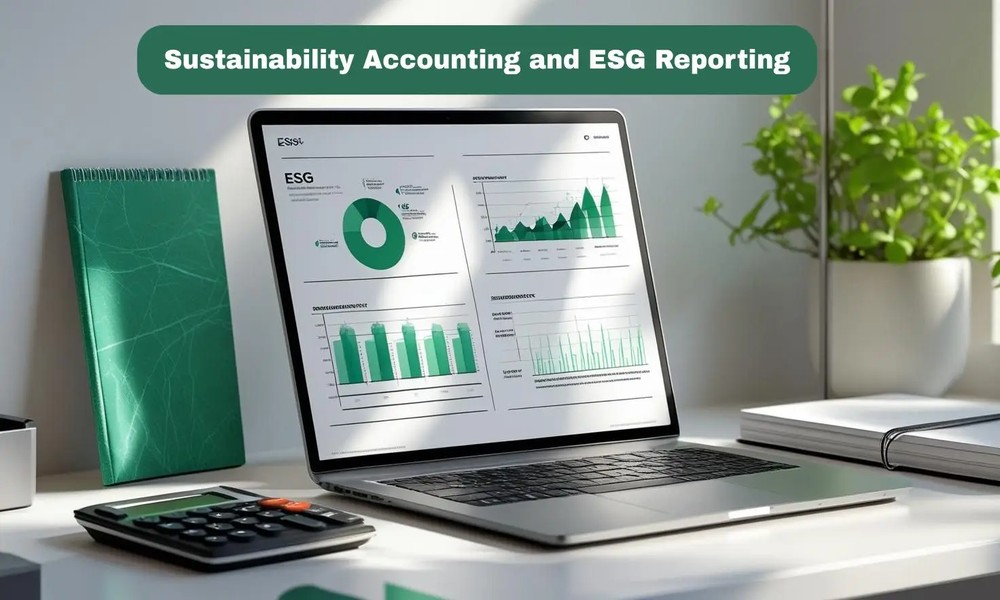
You see new pressure on companies to show how they treat people, money, and the planet. Investors, workers, and communities want clear numbers, not vague promises. That is why more accountants now handle ESG and sustainability reporting. You already track costs, revenue, and risk. Now you also measure energy use, supply chain impact, and workforce data. The skills are the same. The topics are new. Many firms that once focused only on audits and tax preparation in Roseville now face questions about carbon, water, and social impact. This change is not a trend. It reflects new laws, public trust issues, and demand for honest data. If you work with financial reports, you now sit at the center of these demands. This blog explains why your training fits ESG work, what new expectations look like, and how you can respond with clear, steady reporting.
What ESG And Sustainability Reporting Mean
ESG stands for environmental, social, and governance. It shows how a company treats natural resources, people, and decision rules. Sustainability reporting shares numbers and facts on these topics in a clear way. It sits next to financial reporting. It does not replace it. You still report profit and loss. Now you also report energy use, worker safety, and board practices.
Families, retirees, and young workers read these reports. They want to know if a company wastes water, harms nearby homes, or hides risk. You help turn loose claims into clear numbers that people can trust.
Why Pressure On Companies Keeps Growing
You face three main forces.
- New laws and rules
- Investor and lender demands
- Community and worker concern
First, rules are changing. In the United States, the Securities and Exchange Commission explains climate risk duties for public companies in several releases. You can review guidance at the SEC climate and ESG page. Other countries set similar duties. These rules touch financial filings. That means they touch your work.
Second, large investors ask for ESG data before they invest. They want to see how climate events, supply chain shocks, or labor issues could hit future profits. Numbers from you help them judge that risk.
Third, communities pay close attention. A factory that pollutes a river risks protests and lawsuits. A company that ignores worker health risks faces strikes and turnover. You help leaders see these risks in the same clear way they see cash flow.
Why Your Accounting Skills Fit This Work
ESG reporting needs three skills that you already use each day.
- Strong controls and checks
- Clear, consistent methods
- Independent judgment
You already built systems that track money from source to use. You test controls. You document work. ESG needs the same care. Energy use, injury rates, and board votes all need clean source data and clear methods. Your training in standards, evidence, and independence fits this work.
The U.S. Environmental Protection Agency explains common greenhouse gas methods and tools on its Climate Leadership page. These methods link easily to the kind of data tracking you already manage in cost or tax work.
New Types Of Data You Now Track
ESG and sustainability reporting cover many topics. Yet you can group them into three simple sets of numbers.
- Environmental. Energy use, emissions, water, waste
- Social. Pay, safety, training, community impact
- Governance. Board structure, controls, ethics reports
You help set clear rules for each number. You define what to count. You find sources. You pick a time frame. You test for error. Then you present the results in a format that leaders, parents, and students can read without confusion.
How ESG Work Compares To Traditional Accounting
|
Topic |
Traditional Accounting |
ESG And Sustainability Reporting |
|---|---|---|
|
Main focus |
Money and financial risk |
People, planet, and governance risk |
|
Time frame |
Past and current periods |
Current impact and long term risk |
|
Data sources |
Ledgers, bank records, contracts |
Meters, HR records, supplier data |
|
Users |
Owners, lenders, tax agencies |
Owners, lenders, workers, communities |
|
Standards |
GAAP, tax code, auditing rules |
ESG frameworks, climate, and labor rules |
|
Role of accountant |
Record, report, attest |
Record, report, attest, explain |
What This Shift Means For Your Career
This change can feel heavy. It also opens new paths.
You can grow current services. If you have already reviewed controls, you can add checks on ESG data. If you run audits, you can offer limited assurance on emissions or safety reports. If you run a small tax practice, you can help local firms track energy use or waste costs. You become a trusted guide when leaders face new questions.
You can also gain new skills in data tools, climate risk, or labor metrics. Many training groups, colleges, and agencies now offer short courses. These skills help you stay needed even as business risks change.
Steps You Can Take Now
You can start with three simple steps.
- Review what your clients already track on energy, safety, or staffing
- Map those numbers to risks that could hit cash flow or reputation
- Build simple controls and reports that you can test and explain
Next, talk with leaders in plain terms. Ask what keeps them awake at night. Flood risk. Power cost jumps. Worker burnout. Then show how a short ESG report can turn fear into clear numbers, and clear numbers into action.
Why Your Role Matters To Families And Communities
Your work shapes more than balance sheets. When you demand honest data on pollution, worker safety, or fair pay, you help protect homes, health, and local jobs. Children who live near plants rely on adults who insist on clear numbers. You are one of those adults.
ESG and sustainability reporting are not distant topics. They touch the air families breathe, the water they drink, and the work they hope to keep. Your steady, careful approach helps companies face these facts without spin. That calm truth builds trust that money alone cannot buy.
