

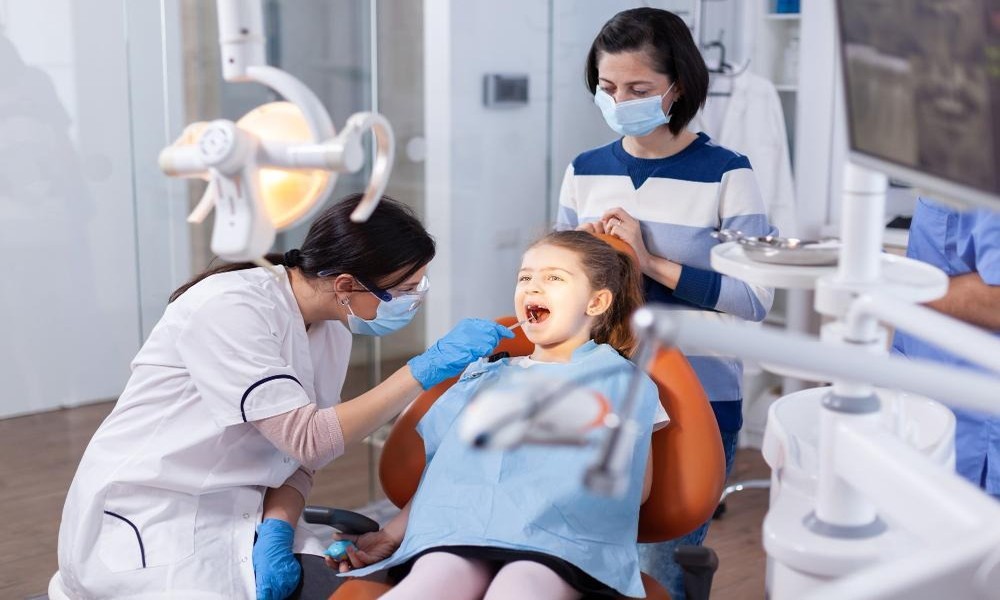
Healthy teeth at home start with small daily steps. You do not need special tools. You need a clear plan, steady habits, and support from a trusted family dentist in Hastings, MI. Many families struggle with rushed mornings, late dinners, and tired kids who fight brushing. You might skip flossing. You might grab sugary snacks because they are easy. These patterns slowly damage teeth and gums. They also raise the risk of painful infections. This blog gives you five simple tips that fit real family life. You will learn how to set a routine, choose the right products, protect growing teeth, and handle common problems before they grow. Each tip is clear. Each one is practical for busy parents and caregivers. With these steps, you can protect your family’s smiles, cut down on emergencies, and walk into every dental visit with less fear and more control.
1. Set a Simple Daily Routine for the Whole Family
Your mouth needs steady care every single day. You do not need a complex schedule. You need the same three steps, twice a day.
- Brush for two minutes in the morning.
- Brush for two minutes at night.
- Floss once each day.
Use a timer or a song. Tell kids to brush the top teeth, then the bottom teeth, then the tongue. Stand with young children while they brush. You can guide their hand and check their work.
Keep supplies in one basket for fast use.
- Toothbrushes.
- Fluoride toothpaste.
- Floss or floss picks.
Place the basket where your family gets ready. You remove excuses. You also send a strong message. Mouth care is as normal as washing hands.
2. Choose the Right Tools for Every Age
The right products make home care much easier. You do not need fancy devices. You do need items that match age and need.
|
Family member |
Toothbrush type |
Toothpaste |
Extra help |
|---|---|---|---|
|
Toddlers |
Soft, small head |
Smear of fluoride paste about the size of a grain of rice |
Parent does the brushing |
|
Children 3 to 6 |
Soft, child size |
Pea sized amount of fluoride paste |
Parent checks and finishes brushing |
|
Older kids and teens |
Soft, youth or adult size |
Fluoride paste with ADA seal |
Floss picks if floss is hard to use |
|
Adults |
Soft manual or powered brush |
Fluoride paste for cavity or gum concerns as advised by your dentist |
Interdental brushes for tight spaces |
You can check for safe products on the American Dental Association site at MouthHealthy ADA Seal Products. Look for the ADA Seal on packages. It shows a product meets clear safety and quality rules.
3. Protect Teeth With Smart Food and Drink Choices
Food and drinks touch your teeth all day. Sugar feeds the germs that cause cavities. Acid from soda and juice wears down the hard outer layer of teeth.
Use three simple rules.
- Limit sugary drinks like soda, sports drinks, and sweet tea.
- Save sweets for mealtimes instead of all-day snacking.
- Offer water and milk as the main drinks.
Plain water is powerful. It washes away food bits. It also helps balance acid. If your home has community water with fluoride, each sip helps protect teeth from decay.
Keep tooth friendly snacks ready.
- Cheese cubes.
- Plain yogurt.
- Cut fruits.
- Raw vegetables.
- Unsalted nuts for older kids and adults.
Place these in clear containers at eye level in the fridge. Hide candy and sticky snacks on a high shelf. You guide choices without a fight.
4. Guard Growing Smiles During Sports and Play
Children and teens often damage teeth during sports and rough play. A simple mouthguard can prevent broken teeth and cut lips.
Use a mouthguard for any contact sport.
- Football.
- Basketball.
- Hockey.
- Wrestling.
- Martial arts.
Store-bought boil-and-bite guards are better than no guard. A custom guard from your dentist will fit better and feel more natural. Encourage your child to keep the guard in a clean case and to rinse it before and after use.
For young children, protect teeth from injury at home. Use gates near stairs. Secure heavy furniture. Do not let kids run with objects in their mouths. These small steps lower the chance of broken teeth and trips to the emergency room.
5. Watch for Early Warning Signs and Act Fast
You see your family’s mouths every day. You can spot small changes before they turn into big problems. Look during brushing time.
Check for these warning signs.
- Red or swollen gums.
- Bleeding when brushing or flossing.
- White or brown spots on teeth.
- Bad breath that does not go away.
- Chips, cracks, or loose teeth.
- Mouth pain when chewing or with hot or cold drinks.
Do not wait and hope the issue will fade. Call your dentist and describe what you see. Early care is often quick and less stressful. It also costs less than caring for an infection or a deep cavity.
Keep a simple plan for sudden problems.
- For a knocked-out adult tooth, hold it by the crown, rinse gently, and place it back in the socket or in milk. Then call your dentist right away.
- For a cracked tooth, rinse the mouth with warm water and call for a visit.
- For a bitten tongue or lip, clean the area and apply gentle pressure with a clean cloth.
Partner With Your Dentist for Long-Term Success
Home care is your daily shield. Regular visits with your dentist give you extra support. Cleanings remove hardened plaque that brushing and flossing cannot reach. Exams catch problems before they cause severe pain.
Set checkups for every family member at least twice a year, or as your dentist suggests. Use each visit to ask clear questions.
- Is my child brushing well enough?
- Do we need sealants for back teeth?
- Are braces or other treatments needed soon?
When you mix steady home habits, smart food choices, and regular dental visits, you create a strong shield for your family’s health. You also teach your children that caring for their mouths is a normal part of caring for their whole bodies. That lesson can protect them for life.
