

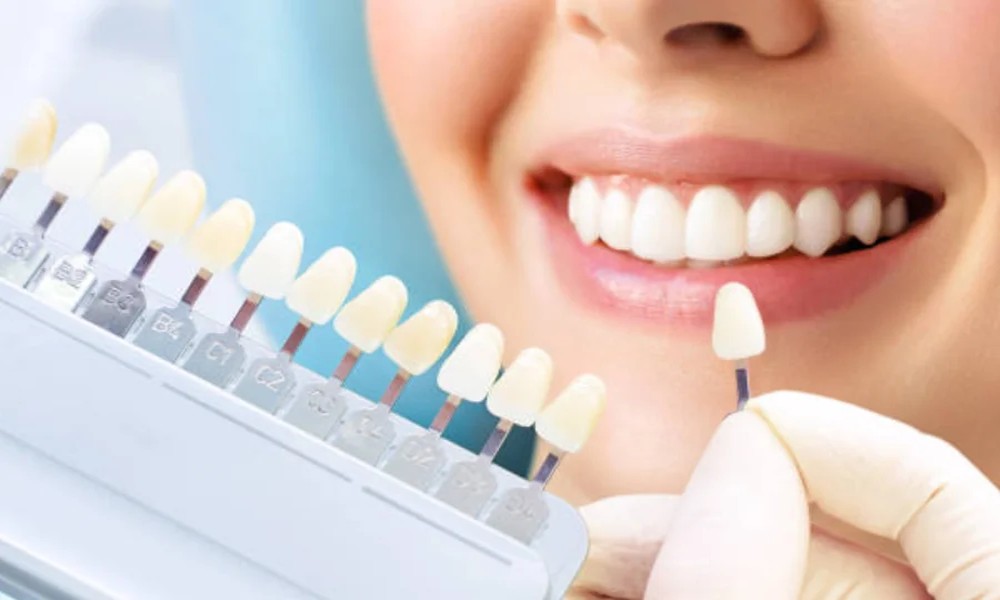
Cosmetic dental work costs time, money, and energy. You want it to last. Crowns, veneers, bonding, and whitening all break down faster when daily habits slip. Food, drinks, grinding, and skipped cleanings slowly stain, crack, and weaken these treatments. A simple routine protects your smile and your wallet. You gain control when you know what harms your dental work and what protects it. This guide gives you six clear steps you can use today. Each step is practical. Each step comes from what a Columbus dentist sees damage smiles every week. You will learn how to clean your teeth the right way, what to avoid, and when to seek help. You will also see warning signs that mean your cosmetic work needs attention. These strategies do not require special tools. They only require steady effort and a clear plan.
1. Brush and floss with care every day
You protect cosmetic work when you protect the teeth that support it. Strong gums and clean tooth surfaces keep crowns, veneers, and bonding stable.
Use this routine twice a day.
- Brush for two minutes with a soft toothbrush
- Use fluoride toothpaste
- Floss between every tooth once a day
Gentle pressure works best. Hard scrubbing wears edges and roughens the surface. That rough surface traps stains and plaque. Calm, steady brushing keeps the surface smooth.
You can check basic brushing and flossing steps through the Centers for Disease Control and Prevention’s tooth care guide. Simple habits lower the risk of decay near crowns and veneers. That keeps your cosmetic work in place longer.
2. Watch what you eat and drink
Food and drinks change your teeth all day. Some protect. Others attack. Color, sugar, and acid all matter.
Use this table as a quick guide.
|
Choice |
Effect on cosmetic work |
Simple swap |
|---|---|---|
|
Soda and sports drinks |
High acid. Weakens edges and glue under crowns and veneers. |
Water or unsweet tea |
|
Coffee and tea with sugar |
Stains surfaces. Sugar feeds decay near margins. |
Coffee or tea with less sugar and rinse with water after |
|
Hard candy and ice |
Cracks porcelain and bonding. Chips corners. |
Sugar free gum or cold water |
|
Sticky sweets |
Clings around crowns. Raises decay risk. |
Fresh fruit and nuts |
|
Water with fluoride |
Supports strong tooth structure under cosmetic work. |
Keep a refillable bottle close |
You do not need a perfect diet. You only need fewer sugar hits and fewer acid hits. Drink water with meals. Rinse your mouth with water after coffee, tea, or wine. That simple step lowers stain and decay.
3. Protect teeth from grinding and clenching
Grinding and clenching act like sandpaper on cosmetic work. Over time, they flatten edges, chip porcelain, and crack the bonding. Many people grind in sleep and never feel it.
Look for signs.
- Short or uneven front teeth
- Jaw or face pain when you wake
- Frequent dull headaches near the temples
- Small chips on front teeth or veneers
If you notice these signs, talk with your dentist. A night guard spreads out pressure and shields porcelain and bonding. It also protects natural teeth. You may need to replace a night guard over time. That cost is much lower than the cost of repairing crowns, veneers, or implants.
4. Use regular checkups as early warning visits
Office visits catch small problems before they turn into big repairs. Tiny chips, loose edges, and early decay near crowns often cause no pain. A trained eye finds them.
Most people need a cleaning and checkup every six months. Some need visits more often. Your dentist may suggest a schedule based on your health, medicines, and past decay. The National Institute of Dental and Craniofacial Research’s tooth decay page explains how decay starts and why early care matters.
At each visit, ask three clear questions.
- Do you see any wear on my veneers, crowns, or bonding
- Do you see gum changes around my cosmetic work
- What should I change at home before my next visit
These questions keep the focus on prevention, not repair.
5. Avoid habits that break or stain cosmetic work
Some common habits shorten the life of cosmetic work. Many start in childhood and carry into adult life. You can stop them with practice and clear reminders.
Try to avoid these actions.
- Using teeth to open packages or cut tape
- Chewing on pens, ice, or fingernails
- Smoking or vaping
- Constant snacking on chips or sweets
Each habit adds tiny injuries or a heavy stain. Over time, small damage grows. Corner chip. Edges roughen. Surfaces yellow. That wear does not match the rest of your teeth and can feel embarrassing.
Place simple cues in your day. Keep scissors near where you open packages. Keep a small stress ball at your desk instead of pens in your mouth. Replace smoke breaks with short walks or stretches. Small switches protect expensive dental work.
6. Respond fast to warning signs
Cosmetic work rarely fails without warning. Your mouth sends signals. The longer you wait, the harder and costlier the fix.
Call your dentist soon if you notice any of these.
- Sensitivity to hot, cold, or sweets around a crown or veneer
- A rough edge you can feel with your tongue
- Dark lines at the edge of a crown
- A veneer or crown that feels loose when you chew
- Gums that bleed often around cosmetic work
Quick care may only need a polish, a small repair, or a bite adjustment. Delay can lead to decay under a crown, gum infection, or a broken veneer. Then you may need new cosmetic work.
Putting it all together
You extend the life of your cosmetic dental work when you focus on three things. Clean teeth. Smart daily choices. Fast action when you see change.
Brush and floss with care. Choose water and tooth-friendly snacks. Protect your teeth at night. Keep regular checkups. Drop harmful habits. Call your dentist when something feels off.
These steps guard your smile and your budget. They also protect your comfort and your confidence every time you speak, laugh, or eat.
