

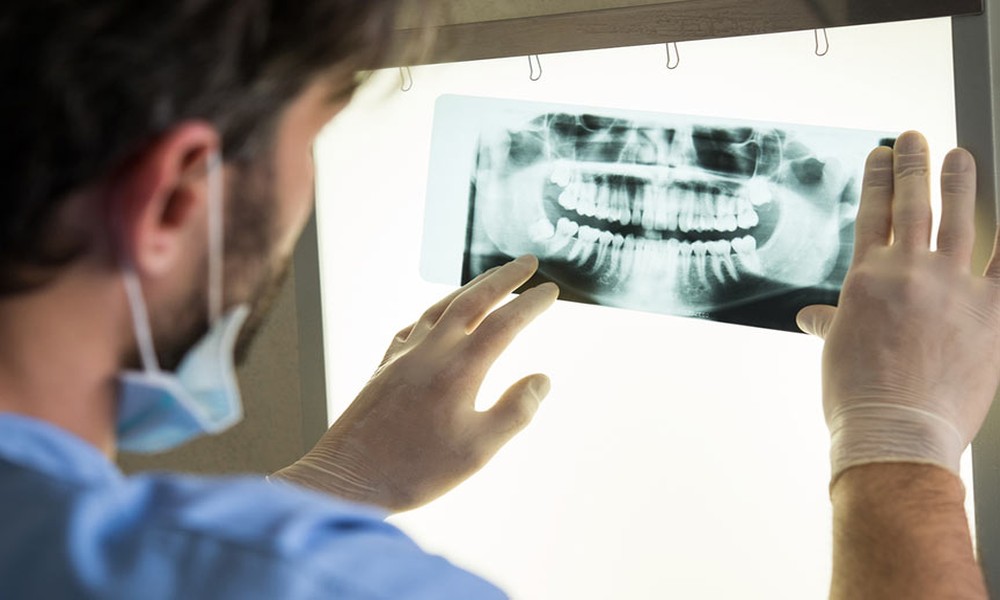
Pain is not an early warning sign. It usually means a problem has already grown. General dentistry gives you a quiet safety net. Regular checkups catch small changes that you cannot see or feel. A tiny cavity. Bleeding gums. A cracked filling. Each one can grow into infection, tooth loss, or costly treatment if you wait for pain. Instead, your dentist studies your teeth, gums, tongue, and jaw with sharp focus. X‑rays, visual checks, and simple tests reveal trouble long before it throbs or keeps you awake at night. This protects your health, your time, and your money. It also lowers fear. You walk in for routine care, not emergencies. If you want this kind of early protection, compassionate dental care in Santa Rosa offers a steady path. You stay ahead of problems. You keep your mouth strong, clean, and ready for whatever you eat or drink.
Why waiting for pain puts you at risk
Tooth decay, gum disease, and infections start small. You often feel nothing. You still eat, talk, and sleep as usual. Trouble builds in silence. By the time pain shows up, damage often reaches the nerve or bone. At that point you may need root canals, extractions, or surgery. These treatments cost more and take more time.
Routine general dentistry changes that story. You use checkups as early warning checks. You let your dentist treat tiny issues. You avoid sudden shocks. You keep control of your mouth and your budget.
What your dentist looks for at every visit
During a regular visit, your dentist and hygienist study three things. They look at your teeth. They check your gums. They review your bite and jaw. Each part tells a story about your health.
Here is what they look for before pain appears.
- Small white or brown spots that show early decay
- Soft spots on tooth surfaces that could turn into cavities
- Red, puffy, or bleeding gums that point to gum disease
- Receding gums that uncover sensitive roots
- Cracks, worn spots, or broken fillings
- Rough patches or sores on the tongue, cheeks, or lips
- Signs of grinding like flat edges or chipped teeth
- Jaw clicking, locking, or soreness when you open wide
Each sign alone may feel small. Together they give early proof of disease. Your dentist uses that proof to stop damage while it is still easy to treat.
Tools that find problems before you feel them
General dentistry uses simple tools that reveal hidden trouble. You see a mirror and light. You may not see the other tools as clearly. They still protect you.
- Dental X rays. These images show decay between teeth, infections at the root, bone loss, and hidden teeth. The Centers for Disease Control and Prevention notes that early care for decay and gum disease cuts tooth loss.
- Periodontal checks. A thin probe measures spaces between your teeth and gums. Deeper spaces show gum disease before pain or loose teeth appear.
- Oral cancer screening. Your dentist checks your lips, cheeks, tongue, and throat. Small color changes or lumps can signal cancer at a stage when treatment works best.
- Bite checks. Simple tests show if your teeth meet in a way that strains certain teeth or your jaw joints.
These tools work together. They let your dentist see under the surface. They give you a clear picture of your mouth even when you feel fine.
Early detection vs waiting for pain
Pain often arrives when damage is serious. Early checks find change at the surface. This difference matters for cost, time, and comfort.
|
Condition |
Found early at checkup |
Found later when pain starts |
|---|---|---|
|
Tooth decay |
Small filling and simple visit |
Root canal, crown, or extraction |
|
Gum disease |
Deep cleaning and home care change |
Loose teeth, bone loss, possible surgery |
|
Cracked tooth |
Repair or crown before fracture spreads |
Breaks while chewing and urgent visit |
|
Oral cancer |
Small lesion treated early |
Advanced disease and harder treatment |
You trade short visits and simple fixes for long visits and complex work if you wait for pain. Early checks give you more choice and less fear.
How general dentistry protects every age
Each stage of life faces silent mouth problems. General dentistry guards children, adults, and older adults in different ways.
- Children. Early visits track tooth growth, guide brushing, and catch decay in baby teeth. Sealants and fluoride lower the risk of cavities that hurt school and sleep.
- Adults. Regular care watches for gum disease, grinding, and stress on teeth from work or family strain. It also supports control of diabetes and heart disease, which are tied to gum health.
- Older adults. Checkups track dry mouth from medicines, wear from years of use, and changes around crowns or dentures. They also help prevent root decay and tooth loss.
The National Institute of Dental and Craniofacial Research reports that tooth decay and gum disease affect many adults who feel no pain at first. Regular general dentistry visits limit that silent damage.
Three habits that keep you ahead of pain
You and your dentist work as a team. General dentistry visits matter. Daily habits at home matter too. These three steps keep you ahead.
- Schedule a checkup and cleaning at least twice a year. Keep the date even if your mouth feels fine.
- Brush with fluoride toothpaste twice a day and clean between teeth once a day with floss or another tool your dentist recommends.
- Watch for small changes. Bleeding when you brush, new bad breath, or food catching between teeth all deserve a call before pain begins.
When you follow these steps, you use general dentistry as an early defense. You lower the chance of sudden pain. You create steady comfort. You protect your mouth, your body, and your peace of mind.
