

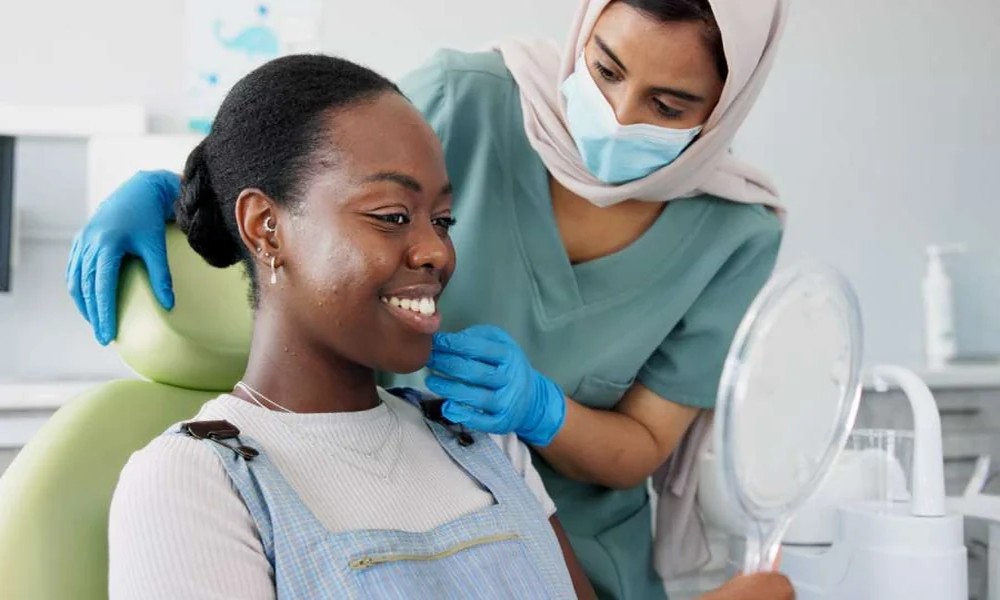
You might be looking at your child’s smile and wondering what the future holds. Maybe you are doing everything you can to stay on top of cleanings and checkups, yet you still worry about crooked teeth, stains, or confidence issues as they grow. Or maybe you had your own difficult dental experiences as a child and you do not want your son or daughter to go through the same thing-perhaps even considering a Hanford tooth implant someday to restore or protect their smile.
It can feel overwhelming. You hear about braces, whitening, veneers, clear aligners, and you wonder when any of that should even enter the conversation. At the same time, you just want your child to feel at ease in the dental chair and proud of their smile in photos and at school.
Here is the simple overview. A strong relationship with a family and cosmetic dentist during childhood lays the groundwork for healthy, confident cosmetic choices later. Early visits build trust. Preventive care protects the teeth that cosmetic dentistry will enhance. And thoughtful timing during the teen years helps cosmetic options feel natural, not rushed or forced.
So where does that leave you right now, when your child is still young or just entering adolescence and you are trying to make the right moves without going too fast?
Why early family dental care shapes future cosmetic choices
Most parents start with a basic goal. Keep cavities away and avoid emergencies. As children grow, another layer appears. How will their smile look, and how will that affect their self-esteem and social life. This is where the connection between family dentistry and later cosmetic dentistry becomes important.
The American Academy of Pediatric Dentistry recommends ongoing oral health care through adolescence. That is not only about preventing disease. It also helps track growth, jaw development, and changes in the bite. All of these influence whether your child may want braces, whitening, or other cosmetic options later on.
Without that steady family care, cosmetic treatment later can become more complicated, more expensive, and sometimes less effective. For example, teeth that have had repeated fillings or untreated gum problems may not respond well to whitening. Crowded teeth that were never guided with early orthodontic advice may need longer, more intensive treatment in the teen years.
Because of this tension between “do nothing and hope” and “do everything right now,” you might feel stuck. You do not want to over-treat. You also do not want to miss windows where simple steps could save your child from bigger cosmetic struggles later.
Common worries parents have about cosmetic dentistry for kids and teens
Think about a few typical scenarios.
Your eight-year-old is terrified of the dentist. Even a cleaning is a battle. You cannot imagine them ever sitting through braces or any cosmetic work without panic. The problem is not the future treatment. The problem is trust and comfort today.
Your eleven-year-old has teeth that are growing in crooked and overlapping. You are already hearing comments from relatives or noticing your child smiling with their lips closed in photos. You wonder if you should “wait and see” or talk to a dentist about early orthodontic guidance. The worry is that waiting too long might affect both appearance and confidence.
Your teenager drinks soda, forgets to floss, and rolls their eyes at you about dental visits. Yet they also complain about yellow teeth or gaps and ask about whitening or clear aligners. You feel torn. You want to support their desire to feel better about their smile. You also know that cosmetic work on unhealthy teeth is like painting over a cracked wall.
These situations show the same pattern. Emotional comfort, habits, and preventive care in a family setting either open doors to cosmetic options later or quietly close them.
How a family dentist quietly prepares children for cosmetic dentistry
A gentle family approach does more than clean teeth. It builds familiarity. When your child sees the same dental team over the years, they learn that the chair, the sounds, and the tools are not a threat. This matters when cosmetic treatment requires longer visits or more detailed work.
Consistent checkups also allow the dentist to guide timing. They can spot developing alignment issues, monitor enamel health, and talk with you about when cosmetic orthodontics or whitening might make sense. That way, when your child reaches the right age, the conversation about cosmetic dentistry feels like a natural next step, not a sudden reaction to a problem.
Even small choices in childhood can shape future cosmetic dental care for teens. Sealants protect molars from decay that could later show through whitening. Early orthodontic referrals can shorten teen treatment time. Ongoing discussions about diet, sports mouthguards, and habits like nail biting or pen chewing help preserve the shape and strength of the teeth that cosmetic treatments will highlight.
So how do you sort through what truly prepares your child for cosmetic options later, and what is just noise or marketing?
Comparing “wait and see” with proactive family dentistry
The table below offers a simple comparison between taking a passive approach and choosing ongoing, proactive family care that supports later cosmetic choices.
| Approach | Short-term impact on your child | Long-term cosmetic outcome | Emotional and financial effect |
|---|---|---|---|
| “Wait and see” with irregular visits | Fewer appointments now, but more anxiety when visits do happen | Higher risk of untreated decay, staining, and complex alignment issues before considering cosmetic treatment | Lower costs in the early years, higher costs and more stress later when problems are advanced |
| Consistent family dentistry with future cosmetics in mind | Regular, predictable visits that build comfort and routine | Healthier teeth and gums, better positioned for whitening, braces, or other cosmetic options | More steady investment over time, often fewer surprises and more choices when your child is ready for cosmetic care |
| Early conversation about cosmetic goals during teen years | Teen feels heard and involved in decisions about their smile | Cosmetic treatment is better timed with growth and dental health, often with more natural results | Improved confidence, clearer treatment plans, and more control over costs and expectations |
Research on oral health care programs for children and adolescents supports this steady, preventive path. It reduces disease and also creates a stable base for any cosmetic improvements your child might want later.
Three practical steps you can take right now
1. Make regular family appointments non-negotiable, but gentle
Choose a family dental practice that welcomes children of all ages. Aim for routine checkups every six months, or as advised. If your child is anxious, talk with the team ahead of time about shorter, more frequent “get to know you” visits. The goal is simple. Build trust now so that braces, whitening, or other cosmetic work do not feel frightening later.
2. Start quiet conversations about how your child feels about their smile
You do not need to push cosmetic dentistry. Instead, ask open questions. “How do you feel about your teeth in photos.” “Is there anything you wish you could change about your smile.” Share that many changes, such as straighter teeth or a brighter color, are possible over time, especially when the mouth is healthy. This prepares your child to talk honestly with the dentist about cosmetic options when the time is right.
3. Focus on habits that protect future cosmetic choices
Support daily brushing and flossing, limit sugary drinks, and encourage water. Use mouthguards for sports. Address thumb sucking or other habits early. These simple steps protect enamel, prevent chips, and reduce staining. That way, when your child is old enough to consider cosmetic dentistry, the dentist can work with strong, healthy teeth and gums, which often means better results with less invasive treatment.
Looking ahead with confidence instead of worry
You do not need to have every answer about braces, whitening, or other cosmetic treatments today. What matters most is the path you choose right now. A supportive family dentist who understands both childhood needs and future cosmetic possibilities can guide you at each stage, so you are never pressured and never left guessing.
With steady care and open conversations, your child can move from their first cleaning to thoughtful cosmetic choices later with comfort and confidence. That is the real promise of connecting family dentistry with cosmetic options over time.
