

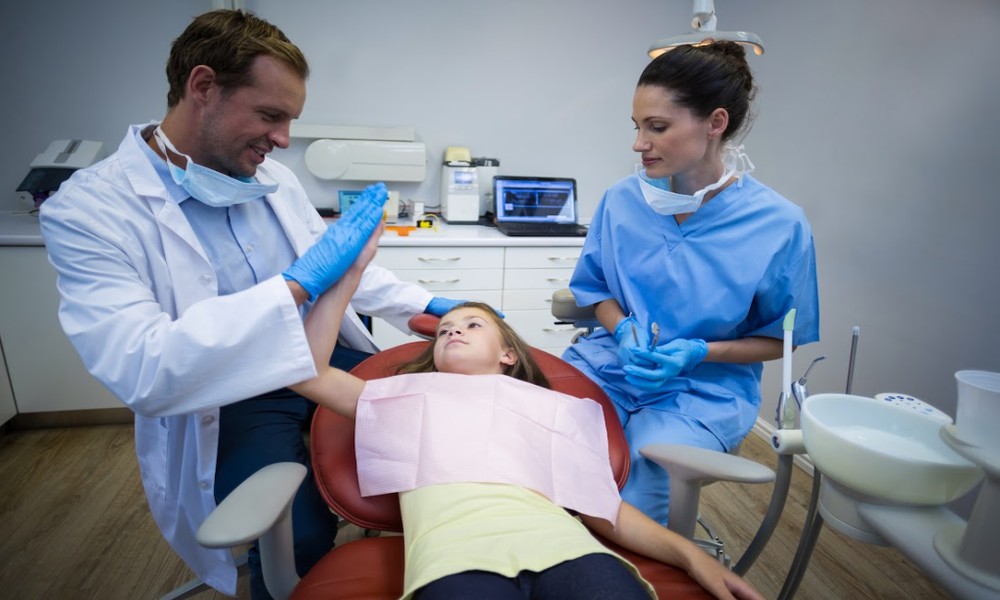
You might be feeling a mix of relief and worry right now. Relief because your child finally has a path forward for crowded teeth or a bite issue. Worry because the word “orthodontist” suddenly means more appointments, more decisions, and probably more expenses. It can feel like you are being passed from one office to another, whether that’s an orthodontist or a dentist in Plymouth, and you may be wondering who is really looking out for your child’s overall well being.end
This is where a trusted family dentist quietly becomes your anchor. A good family dental care team does far more than clean teeth and send a referral slip. They help your child prepare emotionally, coordinate treatment, and stay healthy before, during, and after braces or other orthodontic work. In simple terms, your family dentist can make the orthodontic journey calmer, safer, and easier to manage.
So where does that leave you right now? You do not need to have everything figured out. You just need to understand how your family dentist can support you, what questions to ask, and how to keep your child’s long term oral health at the center of every decision.
Why does an orthodontic referral feel so stressful for parents?
It often starts with a routine checkup. Your family dentist mentions that your child’s teeth are crowded, or that the jaw is not growing in the right way, and recommends a visit to an orthodontist. At first it sounds simple. Then the questions start to pile up.
You might wonder how early is “too early” for braces. You might worry that your child will feel self conscious. You might be thinking about the cost, the time off work, or whether the treatment is truly necessary right now. Because of this tension, you might feel stuck between wanting to act quickly and wanting to slow everything down.
The emotional side matters. Children pick up on your anxiety. If you feel rushed or confused, they often feel scared, even if they cannot explain why. Without a clear guide, you can end up second guessing yourself, postponing care that would actually help, or saying yes to treatment you do not fully understand.
This is exactly where a family dentist can step in as the steady voice in the background. Family dentistry is built on the idea of a “dental home” where your child receives ongoing, coordinated care from the same trusted team over time. The American Academy of Pediatric Dentistry explains this concept in its guidance on the dental home model for children, which emphasizes long term relationships, prevention, and coordinated referrals.
How does your family dentist actually support your child before and during braces?
Think of the orthodontist as the specialist who focuses on straightening teeth and guiding jaw growth. Think of the family dentist as the general doctor for your child’s mouth who understands the full story. When family dentistry supports kids in orthodontic treatment, several things happen behind the scenes that you might not even see.
First, your family dentist identifies the right timing. Not every child who has crooked teeth at age 7 needs braces right away. Some children need early intervention. Others should wait until more adult teeth come in. Your family dentist tracks growth patterns over time and uses that history to decide when a referral truly makes sense.
Second, they coordinate care. A thoughtful referral is not just a name on a card. The American Dental Association describes how dentists should manage specialty referrals in a coordinated way. That includes sharing records, x rays, and notes so the orthodontist understands your child’s health, habits, and past treatment. This teamwork helps reduce repeat x rays, missed issues, or conflicting advice.
Third, your family dentist protects your child’s teeth during orthodontic treatment. Braces and appliances make cleaning harder. Plaque builds up faster. The risk of cavities and gum inflammation goes up. Your family dentist continues to handle cleanings, fluoride treatments, sealants, and cavity checks, all tailored to the extra challenges that come with brackets and wires.
Finally, your family dentist supports your child emotionally. For a shy or anxious child, the idea of braces or an expander can be overwhelming. A familiar dentist can explain what will happen in simple, honest terms, answer questions, and even role play what a visit to the orthodontist might feel like. That sense of continuity can turn fear into something more manageable.
What should you weigh when moving from family dentist to orthodontist?
Because there are so many moving parts, it helps to see the bigger picture. You are not choosing between your family dentist and the orthodontist. You are building a team around your child. The question is how that team will work together.
The table below compares what typically happens when your family dentist is actively involved in your child’s orthodontic referral, versus when the process is more isolated and rushed.
| Aspect of Care | With Strong Family Dentist Support | With Minimal Coordination |
|---|---|---|
| Timing of Treatment | Based on years of growth records and regular exams. More likely to start at an appropriate age. | Based mostly on a single snapshot visit. Risk of starting too early or waiting too long. |
| Communication | Family dentist and orthodontist share x rays and notes. Parents get consistent explanations. | Parents relay messages between offices. Easy for details to get lost or misunderstood. |
| Oral Health During Braces | Regular cleanings, cavity checks, and targeted home care advice while appliances are on. | Cavities or gum issues may be found late because focus stays mainly on tooth movement. |
| Child’s Anxiety | Familiar dentist prepares the child, answers questions, and checks in during treatment. | Child meets new providers with less preparation. Worries can build between visits. |
| Long Term Outcomes | Attention to straight teeth and overall oral health. Better chance of stable results. | Teeth may be straight, but there may be more stains, cavities, or gum concerns. |
Seeing these differences, you can begin to ask more focused questions. You are not just asking “Does my child need braces?” You are also asking “How will our family dentist stay involved, and how will that protect my child’s overall health?”
What can you do right now to support your child through orthodontic care?
You do not have to overhaul everything at once. A few clear steps can make the process more grounded and less stressful.
1. Ask your family dentist to walk you through the “why” and the “when”
Before you even schedule the orthodontic consult, sit down with your family dentist and ask for a simple explanation of the recommendation. Questions you might ask include:
- What specific problem are you seeing with my child’s teeth or bite?
- What might happen if we wait a year or two?
- Why this timing, and what signs will tell us it is time to move ahead?
A clear answer does not need technical words. It should give you a picture of what is happening in your child’s mouth now and what the goals of treatment would be. This kind of conversation strengthens the trust that is at the heart of family dentistry support for orthodontic care.
2. Coordinate the first orthodontic visit with your child’s comfort in mind
Talk to your child before the visit in a calm, honest way. Avoid promises like “They will not do anything today,” since sometimes photos or impressions are needed. Instead you might say, “We are going to meet a tooth specialist who helps with how teeth line up. They will look, maybe take pictures, and then we will decide together what happens next.”
You can also ask your family dentist’s office:
- Which orthodontists they work with often and why they trust them
- Whether they can send records ahead so the first visit is smoother
- If they can check in with you after the consult to help you understand the proposed plan
3. Protect your child’s teeth throughout treatment with consistent family dental visits
Once braces or other appliances are on, keep your regular family dentist appointments on the calendar. Do not assume the orthodontic visits replace them. Ask your family dentist to:
- Review brushing and flossing techniques that work around brackets and wires
- Apply fluoride or sealants if recommended to lower cavity risk
- Watch for early signs of enamel staining or gum irritation
At home, you can support your child with small routines. Use a soft brush, fluoride toothpaste, and, if approved by your dentist, a fluoride rinse. Encourage your child to check their teeth in the mirror after brushing so they start to notice where food tends to hide. These daily habits help make sure that when the braces come off, the teeth are not only straighter but also healthy and strong.
Finding confidence in your child’s orthodontic journey
You are allowed to feel uncertain about orthodontic treatment. You are making decisions that affect your child’s comfort, appearance, and health for years to come. That is a lot to carry. The good news is that you do not have to carry it alone.
A trusted family dentist can be your steady guide through every stage. From deciding when to see an orthodontist, to coordinating care, to keeping your child’s teeth healthy under all that hardware, family dentist support during orthodontic referrals gives you a partner who knows your child and understands your concerns.
As you move forward, keep asking questions, keep your regular family dental visits, and keep the focus on your child’s long term well being, not just the “after” photo. With the right support, the path through orthodontic care can feel far less overwhelming and far more manageable, one step at a time.
