

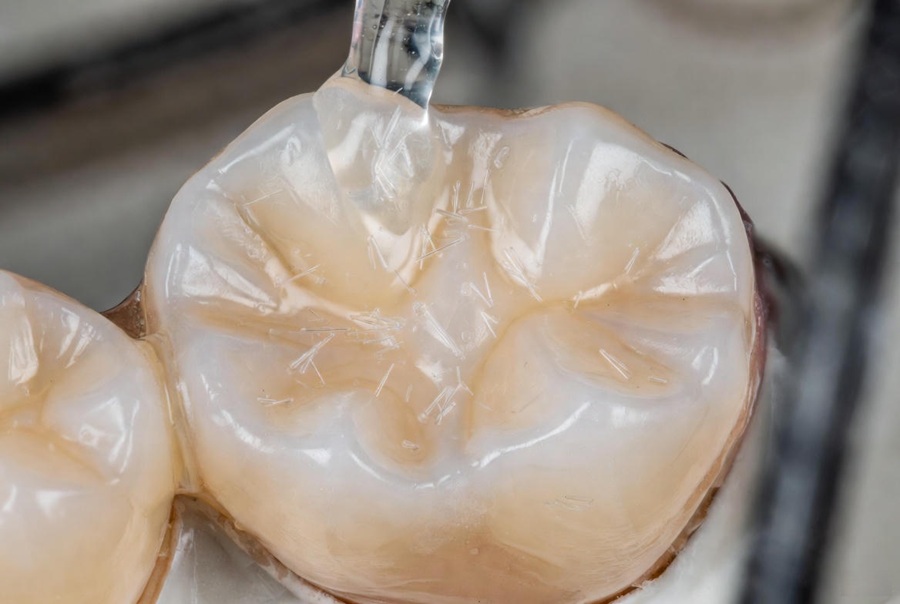
Tooth enamel protects your teeth from pain and decay. Yet once it wears down, you cannot grow it back. That truth can feel harsh. Still, science offers real help. Enamel rehardening agents restore strength to weakened enamel and slow early damage. These agents use calcium, fluoride, and other minerals to rebuild the surface of your teeth. They do not replace lost enamel. Instead, they help your body repair what is still there. A Sterling, VA dentist may use these agents during routine care or after certain treatments. You may also find them in toothpaste, mouth rinses, and gels at home. This blog explains how enamel rehardening agents work, when they help most, and what to expect during treatment. You gain clear guidance so you can protect your teeth and avoid future drilling, shots, and fear.
What Happens When Enamel Starts To Soften
Every day, acids from food and bacteria pull minerals out of enamel. This process is demineralization. Then your saliva adds minerals back. That process is remineralization. When acid wins too often, enamel becomes soft and chalky. White spots can form. Sensitivity can rise. Early cavities can start.
Three common triggers cause this softening.
- Frequent sipping of sugary or acidic drinks
- Dry mouth from medicines or health conditions
- Poor brushing and flossing habits
At this early stage, you still have a window to stop the damage. Enamel rehardening agents support your natural repair process so you do not reach the point of drilling.
How Enamel Rehardening Agents Work
Enamel rehardening agents supply minerals in a form your teeth can use. They also help those minerals attach to weak spots and stay there. The goal is simple. You want hard, smooth enamel that resists acid and bacteria.
Most products follow the same three steps.
- Target soft enamel or white spot lesions
- Deliver minerals like fluoride, calcium, and phosphate
- Lock those minerals into the enamel surface
Over time, the weak spot becomes harder. Sensitivity often drops. Early decay can stop getting worse. Some early white spots can even fade.
Main Types Of Rehardening Agents
You see many different names on toothpaste boxes and dental product labels. Yet most fall into three groups.
Common Enamel Rehardening Agents And Their Use
|
Agent type |
Main minerals provided |
Typical use |
Best for |
|---|---|---|---|
|
Fluoride (toothpaste, rinse, varnish) |
Fluoride ions |
Daily home care or in-office treatment |
General cavity prevention and rehardening |
|
Calcium phosphate systems (CPP-ACP and similar) |
Calcium and phosphate |
Gels, creams, varnish, some pastes |
White spots, high-risk patients, dry mouth |
|
Fluoride plus calcium phosphate |
Fluoride, calcium, phosphate |
Professional products and some pastes |
Stronger support for weak enamel |
Fluoride And Stronger Enamel
Fluoride is the most studied rehardening ingredient. When fluoride reaches your teeth, it helps form a tougher crystal on the surface. That crystal stands up better to acid. It also slows the growth of cavity-causing bacteria.
Three common fluoride options exist.
- Fluoride toothpaste used twice a day
- Fluoride mouth rinse for people at higher risk
- Fluoride varnish painted on by a dentist
Fluoride varnish contains a high level of fluoride in a sticky form. Your dentist brushes it on your teeth. It hardens quickly. Then it slowly releases fluoride into the enamel. Children and adults at high risk for decay often gain strong protection from this simple step.
Calcium And Phosphate Support
Enamel is mostly made of calcium and phosphate. When acids strip those minerals away, you need to replace them. Some products use special carriers to keep calcium and phosphate stable in the mouth until they reach soft spots.
These products can help three groups in particular.
- People with dry mouth who cannot rely on saliva for repair
- Patients with many white spots after braces
- People who snack or sip through the day
Some of these products require a prescription. Others are sold over the counter. Your dentist can match the strength to your risk level and your daily habits.
What To Expect During Clinical Use
In a dental office, rehardening agents fit into normal care. You do not need special visits. Your dentist may add them during cleanings, after some fillings, or during orthodontic care.
A typical visit may include three steps.
- Assessment of soft spots, white marks, and risk factors
- Cleaning to remove plaque and surface stains
- Application of fluoride varnish or another rehardening product
The process is quick. The material may taste slightly sweet or salty. It usually takes within minutes. You may be asked to avoid hard or sticky foods for a short time.
The National Institute of Dental and Craniofacial Research explains how minerals protect enamel in its guide on tooth decay at this NIDCR resource on tooth decay.
At Home Use And Daily Habits
Office treatment works best when you back it up at home. You can support enamel rehardening through three simple habits.
- Brush twice a day with fluoride toothpaste and spit, do not rinse
- Limit sugary snacks and drinks to mealtimes
- Use any prescribed gels or rinses as directed
Try to give your teeth time to recover between acid hits. Sip water between meals. Chew sugar-free gum if your dentist approves. These steps help saliva wash away acid and carry minerals to your enamel.
When Rehardening Agents Are Not Enough
Rehardening agents work on early damage. Once a cavity breaks through the enamel into the inner tooth, minerals alone cannot fix it. At that point, you need a filling or another treatment. That is why early checks matter. Your dentist can spot soft spots long before you feel pain.
If you notice white chalky spots, new sensitivity, or rough edges, do not wait. Ask for an exam and a clear plan. Early repair means less drilling, lower cost, and less stress.
Taking The Next Step For Your Teeth
Enamel rehardening agents do not turn back time. They do something more realistic. They help you keep the healthy enamel you still have. With the right products, careful daily habits, and steady checkups, you can slow damage and protect your smile for many years.
