

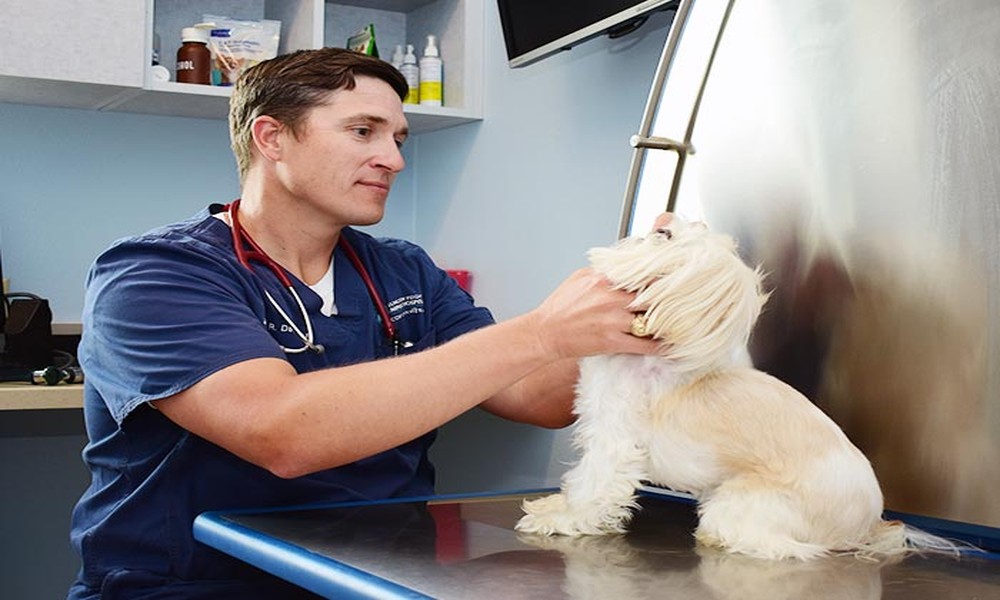
Senior pets give you steady loyalty and quiet comfort. They also face real health risks. You see slower steps, cloudy eyes, and new fears. You wonder what is normal aging and what is a warning sign. Veterinary hospitals guide you through this uneasy stage. They watch for early disease, ease daily pain, and protect quality of life. They also help you plan hard choices before a crisis hits. Through regular exams, careful treatment, and clear home care plans, your veterinary team stands beside you and your pet. They focus on three core supports that keep older pets safe. These are routine health checks, pain and mobility care, and oral health services such as Northbridge pet dentistry. Each one lowers suffering and helps your pet stay comfortable. You do not need to guess alone. You can lean on experienced hands and clear facts.
1. Routine Health Checks Catch Silent Problems Early
Senior pets hide pain and sickness. You often see trouble only when disease is far along. Regular senior exams give you a strong early warning system.
Most veterinarians suggest a full senior check every 6 months. That visit usually includes three parts.
- A complete physical exam
- Basic lab tests
- Review of home behavior and daily habits
During the exam, the veterinarian listens to the heart and lungs. They feel the belly. They check eyes, ears, skin, and joints. They also check weight and body condition. Small changes in weight or muscle can signal kidney disease, heart disease, or cancer.
Routine blood work and urine tests help find problems even sooner. For example, early kidney disease often shows in lab results before you see any change at home. The American Veterinary Medical Association notes that early care for kidney, liver, and endocrine disease can slow damage and prolong life.
Each visit also gives you a safe place to raise worries. You can talk about new thirst, stiff mornings, or changes in sleep. The veterinarian can decide if these signs are normal aging or signals of disease.
Typical Senior Exam Plan for Dogs and Cats
|
Care step |
How often |
What it can find |
|---|---|---|
|
Physical exam |
Every 6 months |
Heart disease, lumps, eye problems, arthritis |
|
Blood and urine tests |
Every 6 to 12 months |
Kidney disease, liver disease, diabetes, thyroid disease |
|
Blood pressure check |
Every 6 to 12 months |
High blood pressure that can harm eyes, brain, kidneys |
|
Weight and body score |
Each visit |
Obesity, muscle loss, cancer warning signs |
Regular checks also keep vaccines, parasite control, and diet plans current. Needs change with age. Senior pets often need fewer calories. They also may need special food to protect their kidneys or joints. These simple changes can reduce discomfort and delay disease.
2. Pain and Mobility Care Keep Daily Life Bearable
Many senior pets live with constant pain from arthritis or old injuries. They move less. They sleep more. They avoid stairs or couches they once loved. Owners often think this is simple aging. In truth, it is often treatable pain.
Veterinary hospitals use three main tools to manage this pain.
- Pain medicines that are safe for long-term use
- Joint support such as supplements and special diets
- Movement plans and home changes
First, the veterinarian checks for joint swelling, warmth, and reduced range of motion. They may use X-rays to see bone changes. Then they build a stepwise plan. This might include daily pain medicine, omega-3-rich food, and simple exercises.
Home changes often bring quick relief. These can include:
- Non slip rugs over hard floors
- Ramps at stairs or into the car
- Raised food and water bowls
- Soft, low beds that are easy to enter
Even small gains in comfort matter. The National Institute on Aging explains that pain control in humans helps mood, sleep, and thinking. Senior pets show similar patterns. When pain drops, they play more, eat better, and reconnect with family.
Regular checkups allow the veterinarian to adjust doses and watch for side effects. You should never change pain medicine on your own. Many human pain drugs are toxic to pets. Your veterinarian protects your pet from these hidden hazards.
3. Oral Health and Dentistry Protect the Whole Body
Senior pets often suffer in silence from mouth disease. Rotten teeth, infected gums, and broken molars cause deep pain. They also spread bacteria through the body. This can strain the heart, liver, and kidneys.
Veterinary hospitals provide full dental evaluations and cleanings. These services go far beyond a quick look in the mouth. They include:
- Dental X-rays to see roots and bone
- Cleaning above and below the gum line
- Tooth removal when teeth are cracked or infected
The U.S. Food and Drug Administration reports that untreated pet dental disease can lead to tooth loss, pain, and organ damage. Regular dental care reduces infection and improves comfort.
Signs of mouth trouble in senior pets include:
- Bad breath
- Dropping food while eating
- Chewing on one side of the mouth
- Swelling under the eye or along the jaw
- Pawing at the mouth
Veterinary dental care, such as Northbridge pet dentistry, uses safe anesthesia and careful monitoring. Senior status alone does not block dental work. Instead, the veterinarian checks heart function, blood work, and blood pressure first. Then they use tailored drug plans and close monitoring during and after the procedure.
After cleaning and extractions, many owners see a sudden change. Pets start to eat with energy. They groom again. They show more interest in play. This change comes from simple relief.
Working With Your Veterinary Team
Senior pet care works best when you and the veterinary team act as partners. You bring daily observations. They bring medical training. Together, you can shape three core habits.
- Schedule regular senior exams and follow testing plans
- Watch for signs of pain and request mobility support early
- Treat dental disease before it spreads through the body
You cannot stop time. You can reduce suffering and increase comfort. With steady veterinary support, your senior pet can move, eat, and rest with more peace in the years ahead.
