

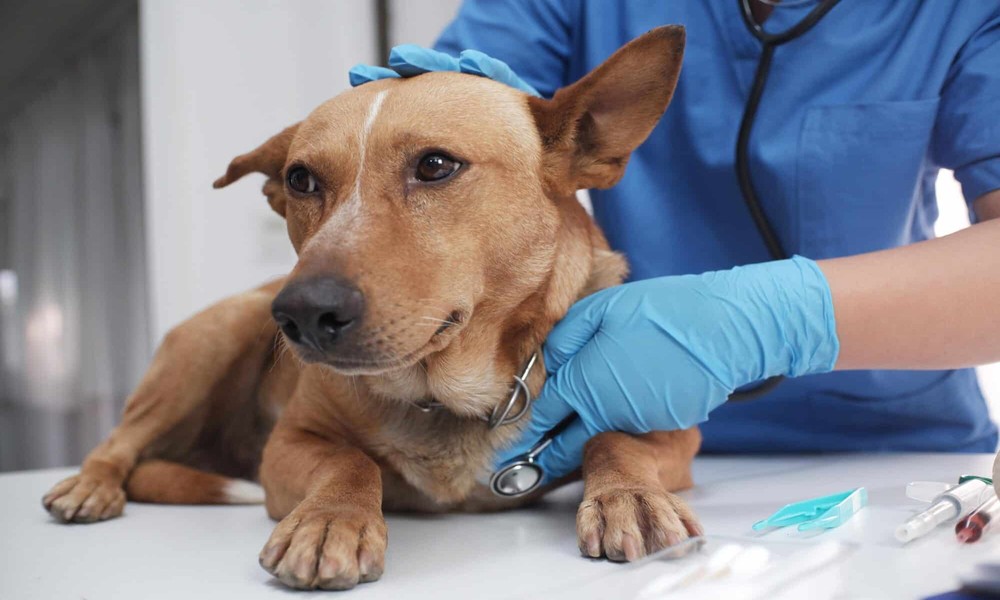
You might be feeling a quiet worry in the back of your mind every time you look at your pet. Maybe you wonder if that slight limp means something serious, or if you are missing a vaccine, or if you would even notice early signs of disease. Visiting an animal hospital in Coral Springs could help ease some of these concerns. You love your animal deeply, yet the medical side of caring for them can feel confusing and easy to postpone.end
It often starts with small things. A skipped annual visit because life got busy. A vaccine reminder email you mean to handle “next week.” Because your pet still eats, plays, and greets you at the door, it is easy to assume everything is fine. Then one day you hear a story about a friend’s dog who suddenly needed emergency surgery, or a cat that was diagnosed with kidney disease out of nowhere, and you wonder if you are doing enough.
The truth is that the connection between veterinary hospitals and preventive health is not about more appointments or bigger bills. It is about catching problems early, quietly lowering risk, and giving your pet the best chance at a long, comfortable life. In simple terms, preventive care at a veterinary hospital means regular checkups, tailored vaccine schedules, parasite control, dental care, and early screening, all designed to protect your pet before they are in crisis.
So where does that leave you right now. You may feel unsure about what is really necessary, what can wait, and how to balance good care with your budget. That is exactly where a trusted veterinary hospital and a thoughtful preventive plan can change everything.
Why does preventive care at a veterinary hospital matter so much?
One of the most common misunderstandings is that you only need a veterinary hospital when your pet is clearly sick or injured. This creates a painful cycle. You skip routine visits to save time and money, problems grow quietly in the background, and by the time you notice something is wrong, the treatment is harder on your pet and far more expensive.
Think about a dog with early arthritis. At first it is just a hesitation on the stairs. Without regular exams, that stiffness might be brushed off as “getting older.” With preventive visits, a veterinarian can pick up subtle changes, recommend joint supplements, weight management, and gentle adjustments at home, and slow the disease. The dog stays active longer, with less pain, and you avoid sudden emergencies like a torn ligament that could have been prevented or delayed.
The same is true for vaccines and disease prevention. Many serious illnesses are now rare not because they disappeared, but because preventive medicine is working quietly in the background. A well designed preventive veterinary care plan includes vaccines based on your pet’s age, lifestyle, and local risks. If you are unsure what that should look like, you can review a trusted guide to your pet’s vaccine schedule and then discuss it with your veterinarian to personalize it.
Because of this, you might wonder if you can just “do preventive health at home” with good food, exercise, and online research. Those pieces matter, but they are not enough on their own. Many conditions such as early kidney disease, heart problems, or dental disease are invisible to you at first. A veterinary team uses trained hands, medical equipment, and experience to find what you cannot see.
What happens if you delay preventive visits to the veterinary hospital?
Putting off preventive care feels harmless in the moment. Your pet seems fine, your schedule is packed, and the idea of another appointment feels draining. The trouble is that delay often turns into regret.
Imagine an indoor cat that never goes outside. Since she seems safe, her checkups are spaced out every few years. By the time she finally goes in, she has lost weight, drinks more water, and her breath smells bad. Bloodwork shows advanced kidney disease. With earlier visits, subtle changes in her kidneys could have been spotted, diet adjusted, medications started, and her comfort preserved for much longer.
There is also the emotional side. When pets suddenly become very sick, owners often wrestle with guilt. They replay past decisions, wondering if they missed something obvious. Regular preventive visits create a record of care and thoughtful choices. You may not be able to prevent every illness, but you can know you gave your pet every reasonable advantage.
If you are worried about cost, that is understandable. Preventive visits do have a price, yet they are usually far less expensive than emergency surgery, intensive hospitalization, or long term untreated disease. Many veterinary hospitals also offer wellness plans, staged vaccines, or clear estimates so you can plan ahead.
How do veterinary hospitals actually protect your pet’s future health?
Veterinary hospitals are not just places where shots are given. They are hubs for ongoing preventive pet health care. During a typical wellness visit, your veterinarian will examine your pet from nose to tail, ask about behavior, appetite, and activity, and then recommend age-appropriate screenings. Resources like this overview of preventive care for pets can help you understand each part before you walk in the door, so you feel prepared instead of overwhelmed.
Behind the scenes, there is also an entire discipline called veterinary preventive medicine devoted to studying disease patterns, zoonotic risks, and herd health. Academic programs, such as those described by the veterinary preventive medicine department at Ohio State, inform the guidelines your local veterinarian follows. That means when your hospital recommends a vaccine, a parasite test, or screening bloodwork, it is usually grounded in years of research and population data, not guesswork.
So how do you translate all of this into everyday decisions that feel realistic for your life and your budget?
Preventive care at home vs veterinary hospital visits
The goal is not to choose one or the other. It is to understand what you can handle at home and what truly requires professional support. This comparison can help clarify the difference.
| Preventive Care Aspect | At Home | At Veterinary Hospital |
|---|---|---|
| Monitoring day to day health | Notice appetite, energy, bathroom habits, and behavior changes. | Interpret subtle signs, perform physical exam, and link symptoms to possible disease. |
| Vaccines and parasite prevention | Give prescribed preventives on schedule and keep records. | Design a safe vaccine schedule, administer vaccines, and test for parasites. |
| Dental care | Brush teeth if possible, use approved dental chews or diets. | Assess gum health, perform dental cleanings under anesthesia, take dental X-rays. |
| Early disease detection | Often cannot detect early changes without tools or training. | Use bloodwork, urine tests, imaging, and exam findings to catch disease early. |
| Behavior and quality of life | Provide enrichment, training, and a stable routine. | Identify medical causes of behavior changes and suggest targeted solutions. |
| Cost over time | Lower short term cost, higher risk of surprise emergencies. | Predictable routine costs, reduced risk of sudden large bills for preventable issues. |
When you look at it this way, the connection between your home care and your veterinary hospital is a partnership. You handle the daily love and observation. The hospital provides the medical insight and tools you cannot realistically have on your own.
Three practical steps you can take starting today
1. Schedule a wellness visit and bring your questions
If it has been more than a year since your pet’s last checkup, or you cannot remember when their last vaccines were, make a wellness appointment. Write down your concerns ahead of time. This might include changes in weight, thirst, mobility, or behavior. Ask your veterinarian to walk you through which vaccines, screenings, and parasite preventives your pet truly needs based on age and lifestyle. A clear conversation now can prevent confusion later.
2. Create a simple preventive calendar
After your visit, turn the plan into a calendar you can stick to. Mark dates for vaccines, heartworm and flea prevention, and future checkups. Use phone reminders or a note on the fridge. Keeping preventive care organized reduces the mental load and the chance of missed doses or overdue exams.
3. Watch for early warning signs and act promptly
You know your pet’s normal better than anyone. If you see changes that last more than a day or two, such as persistent vomiting, diarrhea, coughing, limping, increased thirst, hiding, or sudden behavior shifts, do not wait and hope it goes away. Call your veterinary hospital and describe what you see. Early visits are almost always easier on your pet and your wallet than late ones.
Moving forward with more confidence and less fear
Caring for a pet will always involve uncertainty. You cannot control everything that might happen, and that can feel scary. What you can control is how prepared you are. Regular connection with a trusted veterinary hospital, thoughtful preventive veterinary services, and simple habits at home all work together to protect your pet’s comfort and your peace of mind.
You do not need to have every answer right now. You only need to take the next small step. Reach out to your local veterinary hospital, schedule a preventive visit, and start a conversation about a plan that fits your pet and your life. Your future self and your pet will be grateful you did.
