

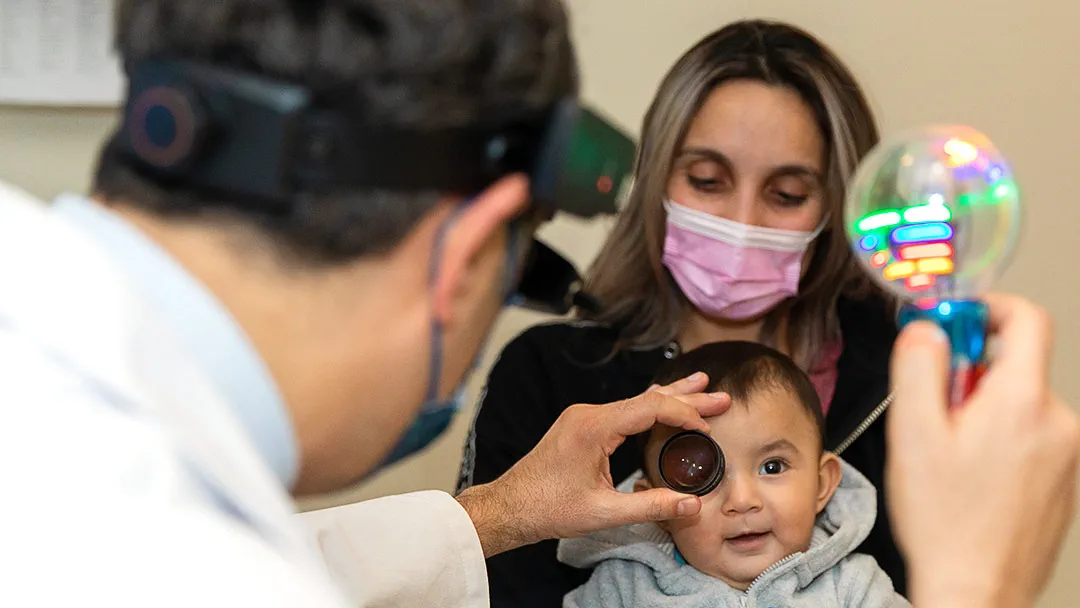
Children rely on clear sight to learn, explore, and feel steady in daily life. When something feels off with a child’s vision, it can shift the way they interact with the world around them. Parents notice small cues long before a problem grows, so understanding these cues can make a real difference.
Families who live on Oahu sometimes look for guidance when a child squints, tilts the head, or hesitates during visual tasks. At that point, the idea of visiting a pediatric ophthalmologist in Honolulu gives parents a starting place and helps them know what to expect from a specialist who works with children’s eyes every day.
Eye Misalignment That Appears In Photos Or Daily Activities
A wandering eye in a child’s photos or a slight inward drift during play can reveal an unmet need. Eye misalignment can shift from mild to more noticeable during reading or screen use, so parents might spot it in moments of concentration. A specialist can assess how each eye works and determine if the child’s visual system is developing in a balanced way.
Some children adapt to misalignment by turning the head to one side. This small adjustment seems harmless, yet it shows the eyes are trying to work together. When head turns show up in normal play or while reaching for objects, it signals the need for a closer look.
Squinting, Frequent Blinking, Or Eye Rubbing
Children in Honolulu who squint outdoors or during quiet indoor tasks might be reacting to eye strain. Squinting helps them sharpen an image for a moment, but the strain can grow tiring for a young child. Blinking in quick bursts or rubbing the eyes during reading time can also point to an issue that calls for expert care.
Eye rubbing can come from dryness or allergies, yet when it shows up during focused tasks it may relate to vision. A child who rubs the eyes during puzzles, coloring, or early reading skills may feel overwhelmed without knowing why. A specialist can check for refractive issues or early signs of other eye conditions.
Trouble Tracking Movement Or Following Words On A Page
Tracking skills help children read smoothly and enjoy movement around them. When a child loses their place on a page, skips words, or asks to restart simple reading tasks, it can signal that tracking is harder than expected. This struggle might look like boredom, yet it often comes from visual strain.
During play, trouble following a rolling ball or fast action can show that the eyes need help working in sync. If a child avoids games with moving parts or becomes frustrated during these activities, the issue might be rooted in eye coordination. A specialist can check these skills and guide parents through the next steps.
Frequent Headaches Linked To Visual Tasks
Headaches that appear during schoolwork or after screen use can stem from vision strain. Children rarely describe the discomfort clearly, so parents notice clues like rubbing the temples or setting tasks aside. These patterns suggest the eyes are working harder than they should.
A child might also show irritability during tasks that require concentration. When headaches come from eye strain, a specialist can assess the source and suggest options that bring comfort back into daily routines. Timely care supports strong learning habits.
Parents who notice one or more of these signs can gain peace of mind by seeking guidance from a pediatric ophthalmologist in Honolulu. A specialist can sort through the clues, assess eye health, and give clear explanations that help families move forward. Children thrive when their vision feels steady, and early care supports that growth. Small adjustments make daily life smoother for young learners.
