

Dental implants can feel scary. You may picture pain, long recovery, or teeth that look fake. You might also worry about cost or if you are “too old” for treatment. These fears are common. They are also built on myths that keep you from caring that could steady your health. This blog clears up five common myths about dental implants so you can decide with calm and control. You will learn how modern implants work, how long they last, and what you can expect before and after treatment. You will also see how options like sedation dentistry in Green Bay help you stay relaxed and safe during the process. Truth cuts through fear. When you understand what is real and what is rumor, you can talk with your dentist, ask sharp questions, and choose the care that fits your mouth, your body, and your life.
Myth 1: “Dental implants hurt a lot”
Pain is the first fear. You might picture drills and long nights without sleep. Modern care looks different.
Implant surgery uses numbing medicine. You stay awake, but your mouth is numb. Many people feel pressure, not sharp pain. After the visit, you may feel sore for a few days. Simple pain medicine and cold packs often help.
You can also use calming options. Sedation keeps your body loose and your mind steady. It can help if you have a fear of dental work or a strong gag reflex.
The American Dental Association explains that local numbing medicine and planned care lower pain risk and protect your safety.
Three steps help you control pain.
- Ask the dentist to explain each step in plain words.
- Plan rest time and soft food for the first days.
- Follow every care instruction, even when you feel fine.
Myth 2: “Implants are only for young or very healthy people”
Age often feels like a wall. You may think you are too old or have too many health problems for implants. That story is false for many people.
Implants can work for adults of many ages. The key is bone strength, gum health, and control of health issues like diabetes or heart disease. Many older adults receive implants and use them well for years.
The National Institute of Dental and Craniofacial Research notes that tooth loss is common as people age. It also notes that treatment can improve chewing and daily life.
You might not be a good match for implants if you have:
- Uncontrolled diabetes
- Active heavy smoking
- Ongoing cancer treatment in the jaw
Yet even with these issues, you still have choices. A full exam and clear talk with your dentist or specialist will show you the safest path.
Myth 3: “Implants look fake, and people will notice”
You may fear that others will stare at your teeth. You might think an implant will shine or sit wrong in your mouth. Modern implants aim to match what you had before.
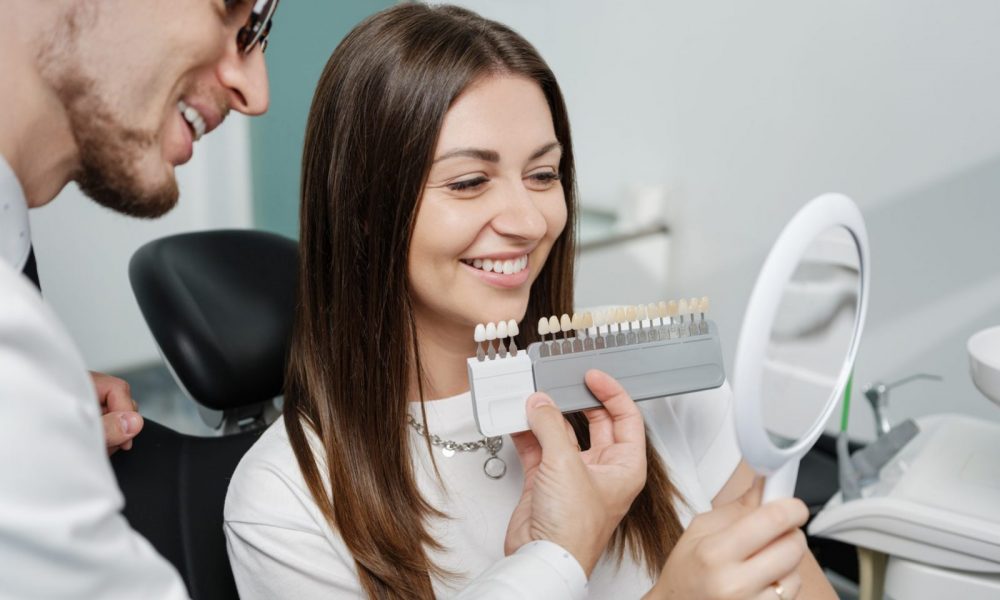
Each crown on top of an implant is shaped and colored to blend with nearby teeth. The dentist studies your bite, your smile line, and how your lips move when you talk. The goal is simple. No one should see the implant.
Three design steps help your implant look real.
- Color match to nearby teeth
- Shape match to your old tooth or a healthy model
- Fine-tuning of your bite over one or more visits
If you do not like the first color or shape, say so. It is your mouth. You deserve a look that feels natural when you smile, laugh, and eat.
Myth 4: “Implants are too expensive and never worth it”
Cost weighs heavily. You might see the first price and shut down. It helps to compare costs over time.
Removable dentures and bridges often need repair or change. Implants, when they heal well, can last many years with steady care. That can lower cost in the long run.
|
Treatment type |
Typical use life with good care |
Common maintenance needs |
Impact on nearby teeth |
|---|---|---|---|
|
Single dental implant |
10 years or longer |
Regular cleanings and checkups |
No grinding of nearby teeth |
|
Fixed bridge |
5 to 10 years |
May need repair or full change |
Needs grinding on nearby teeth |
|
Removable partial denture |
5 to 7 years |
Relines, clasp repair, new device |
Can stress nearby teeth and gums |
Insurance rules differ, yet some plans now help with part of implant costs. Many offices also offer payment plans. You can ask for a printout that lists each step and cost so you can plan with less fear.
When you weigh cost, think about three parts.
- How well you can chew your food
- How you feel when you smile or talk
- How often you must repeat treatment
Myth 5: “Implants need special care and are hard to clean”
Some people think implants need complex tools or long cleaning routines. Daily care is simple.
You brush implants like natural teeth. You use soft brushes and non-harsh paste. You clean between the teeth with floss or small brushes made for implants. You also keep regular visits for cleanings and exams.
Three habits protect your implant.
- Brush two times each day for two minutes
- Clean between teeth one time each day
- See your dentist as often as your care plan shows
If you smoke, your risk of implant problems rises. Quitting can raise success and protect your gums and heart.
How to decide if dental implants are right for you
Good choices grow from clear facts, not fear. Before you say yes or no, take these steps.
- Write your questions and bring them to your visit.
- Ask about all choices, including doing nothing.
- Request a simple written plan that lists each step, risk, and cost.
You deserve teeth that let you eat, speak, and smile with calm. Myths can trap you in worry and delay. Truth gives you control. When you know what implants can and cannot do, you can choose care that supports your body, your budget, and your daily life.
